EL VUELO DEL PAÑUELO
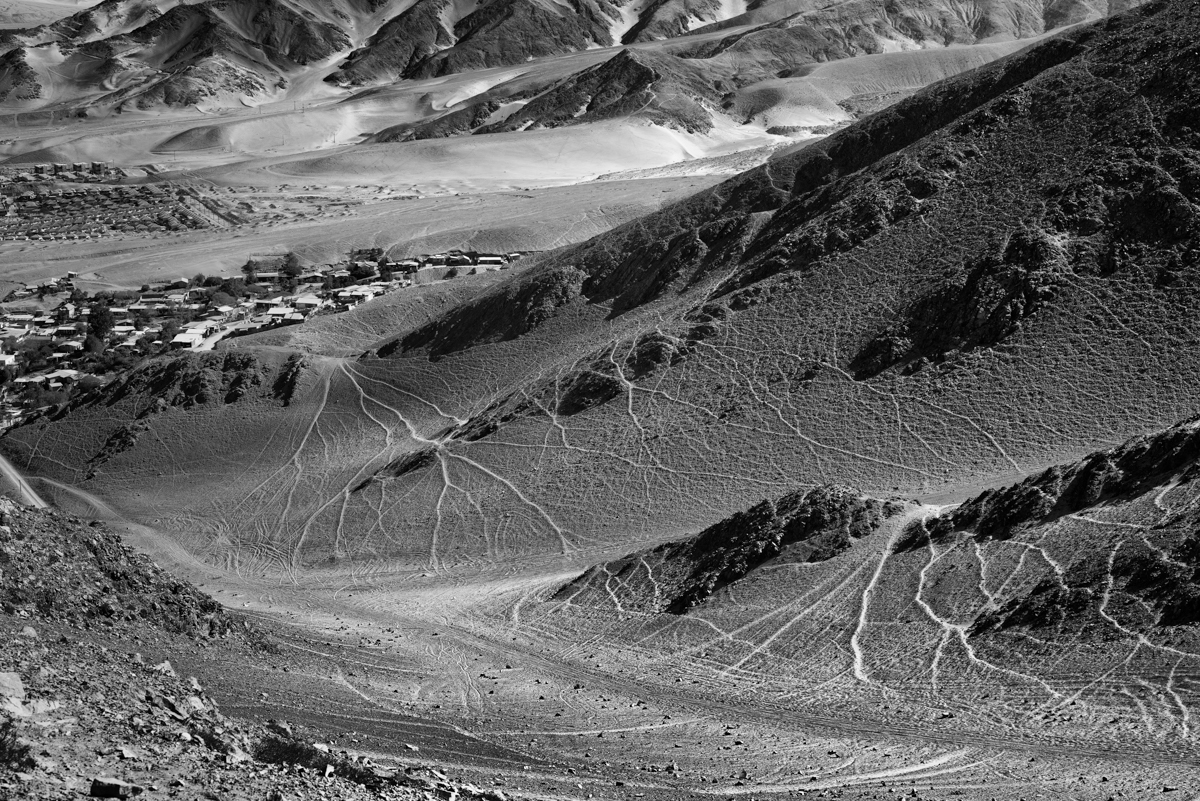
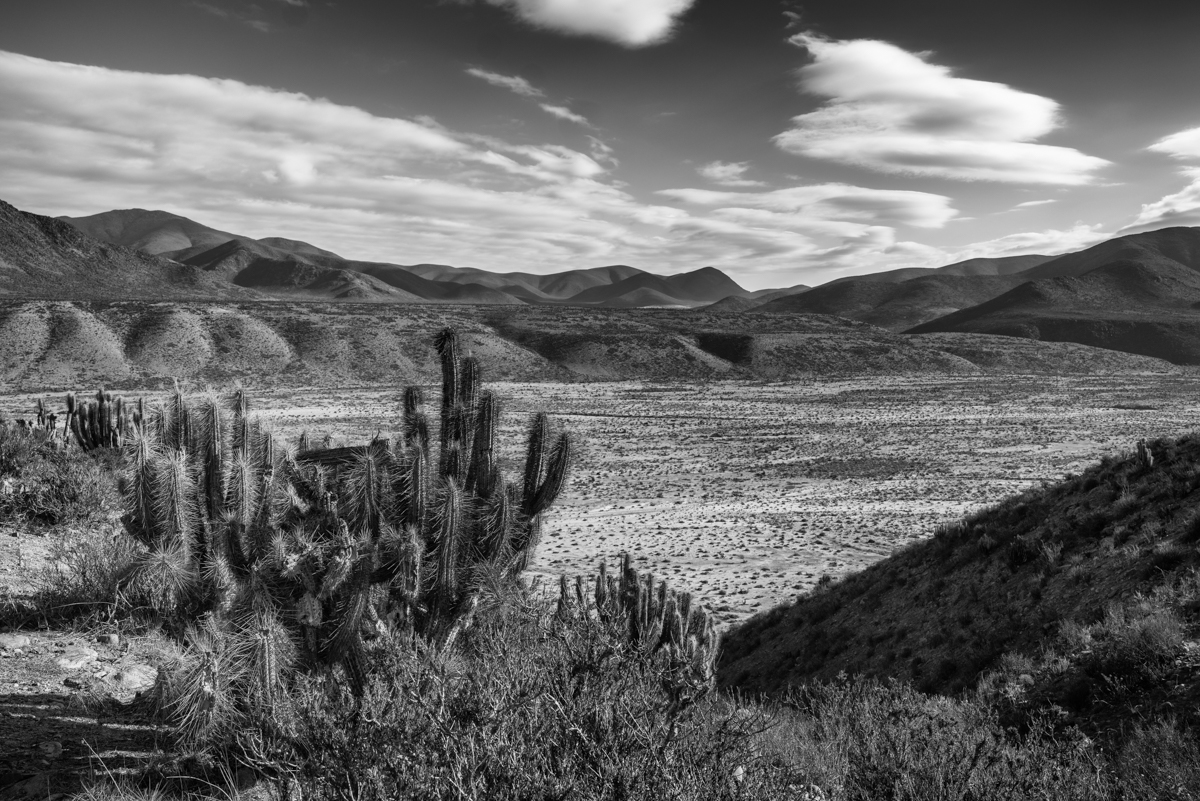
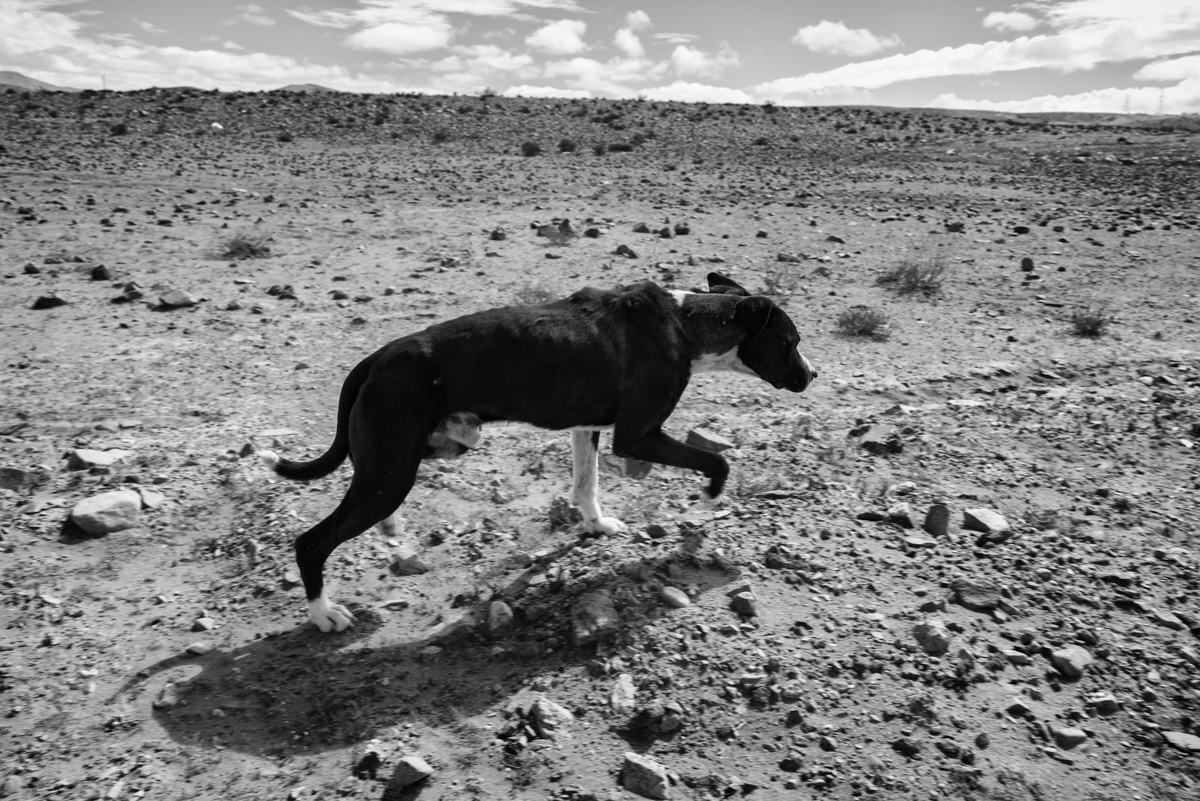
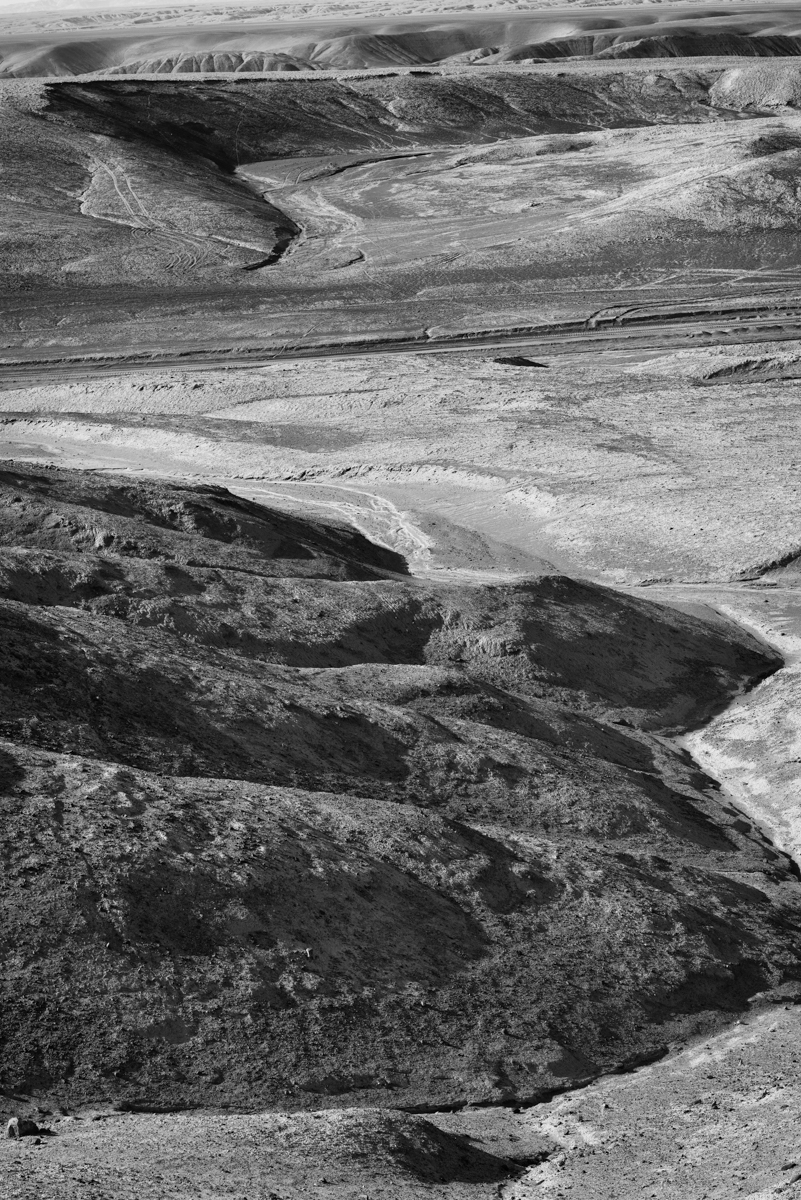
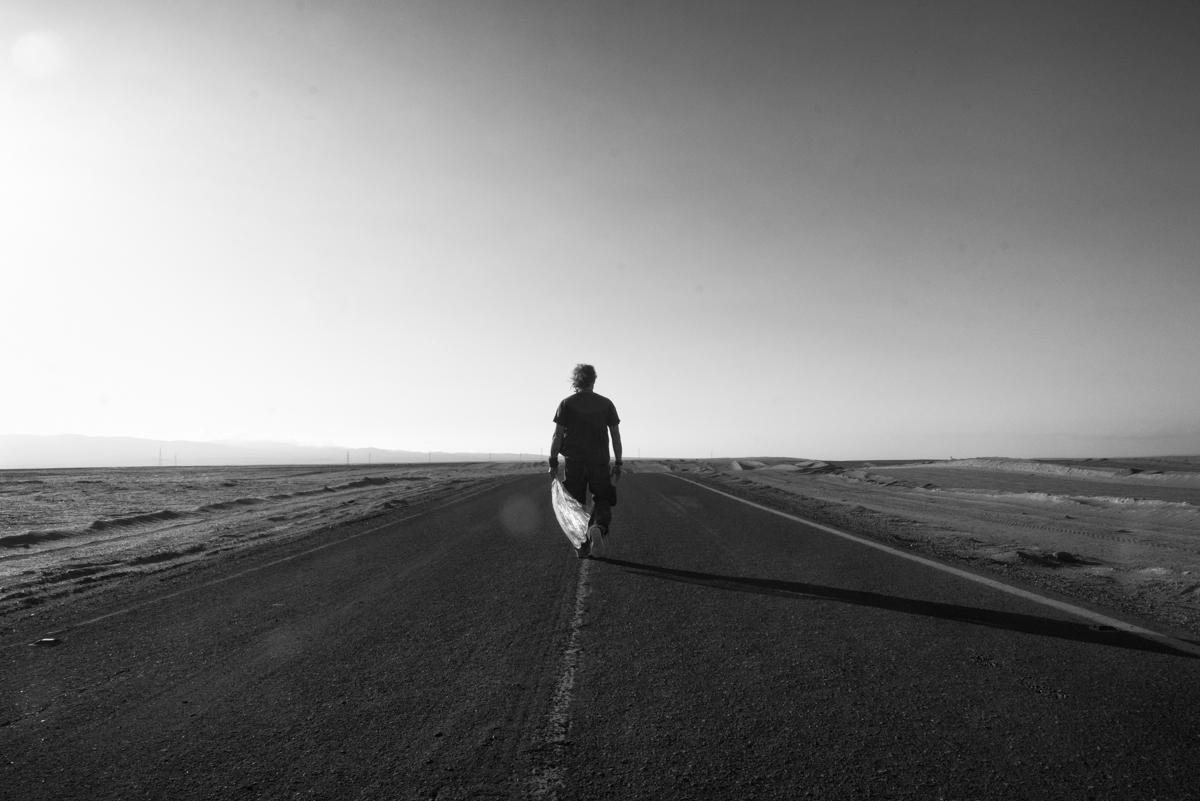
Copiapò is a small town in the middle of the arid Atacama desert, on the northern side of Chile. It lays in a valley surrounded by hills made of just sand and stones. Stepping out of the airplane door a lunar landscape opens before one’s eyes.
(read more after the pictures.)
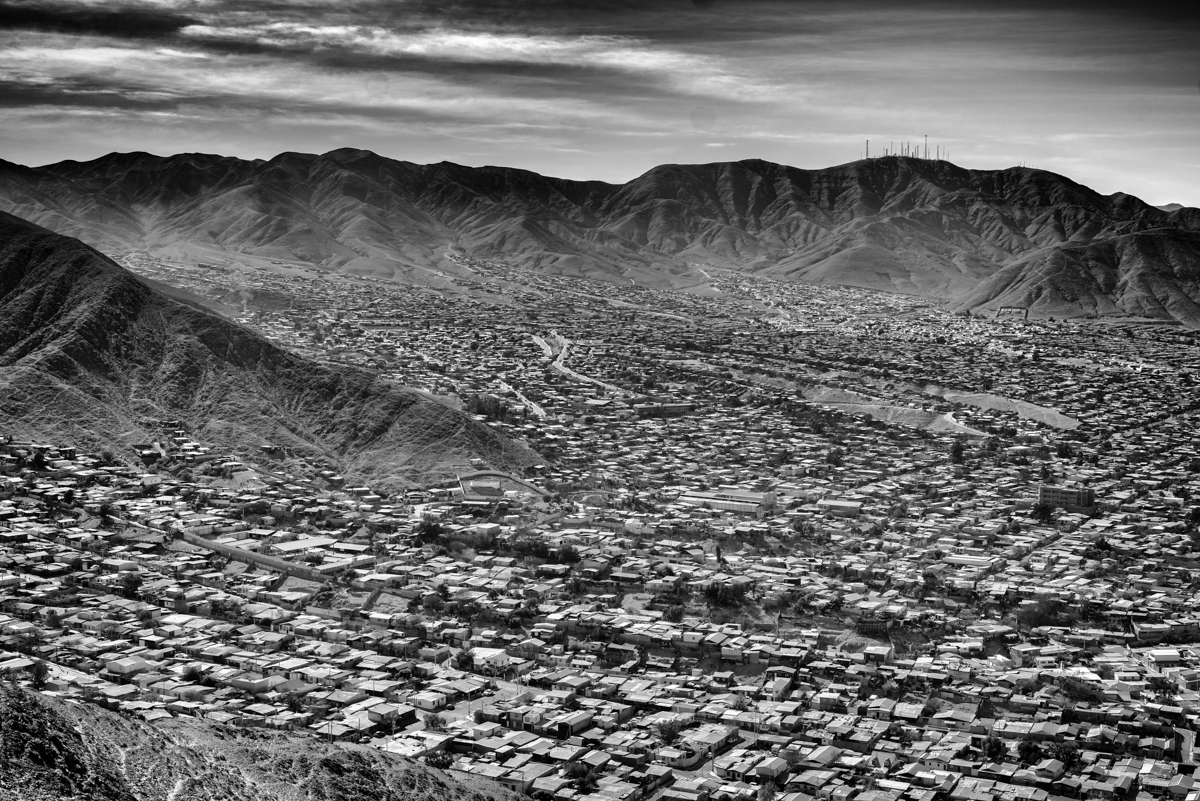
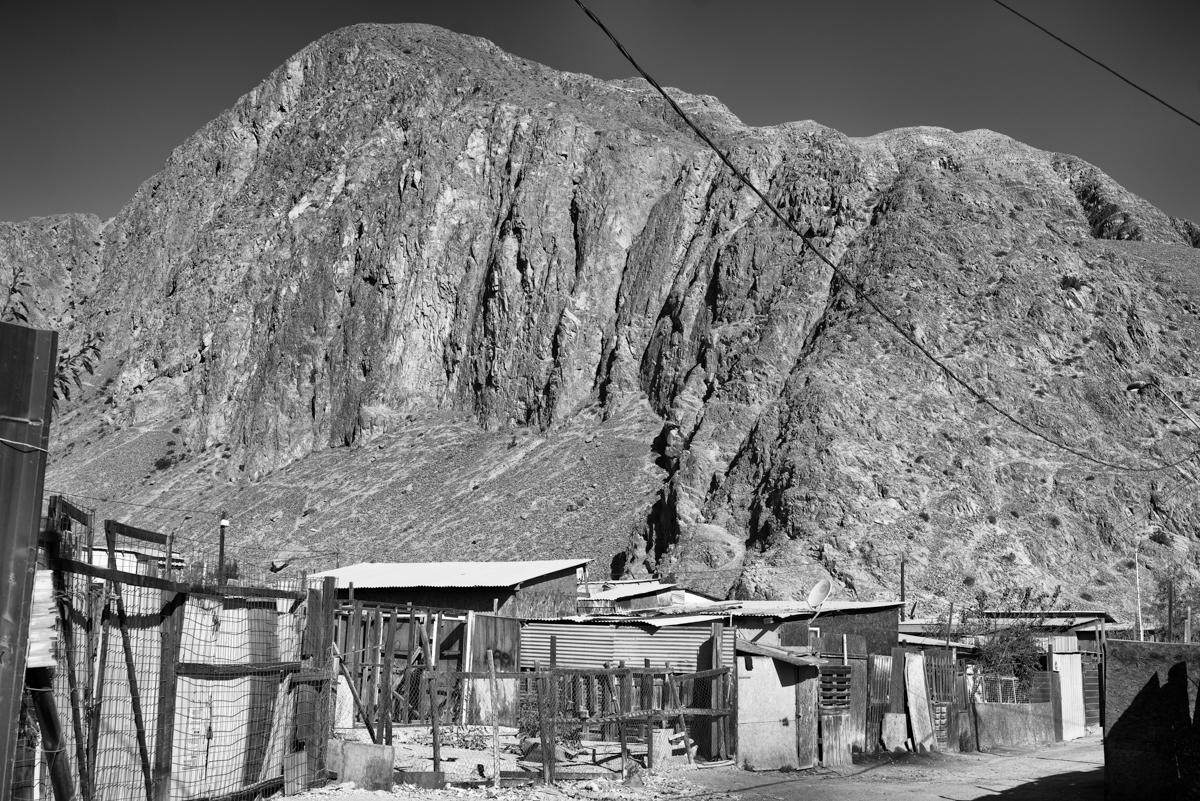
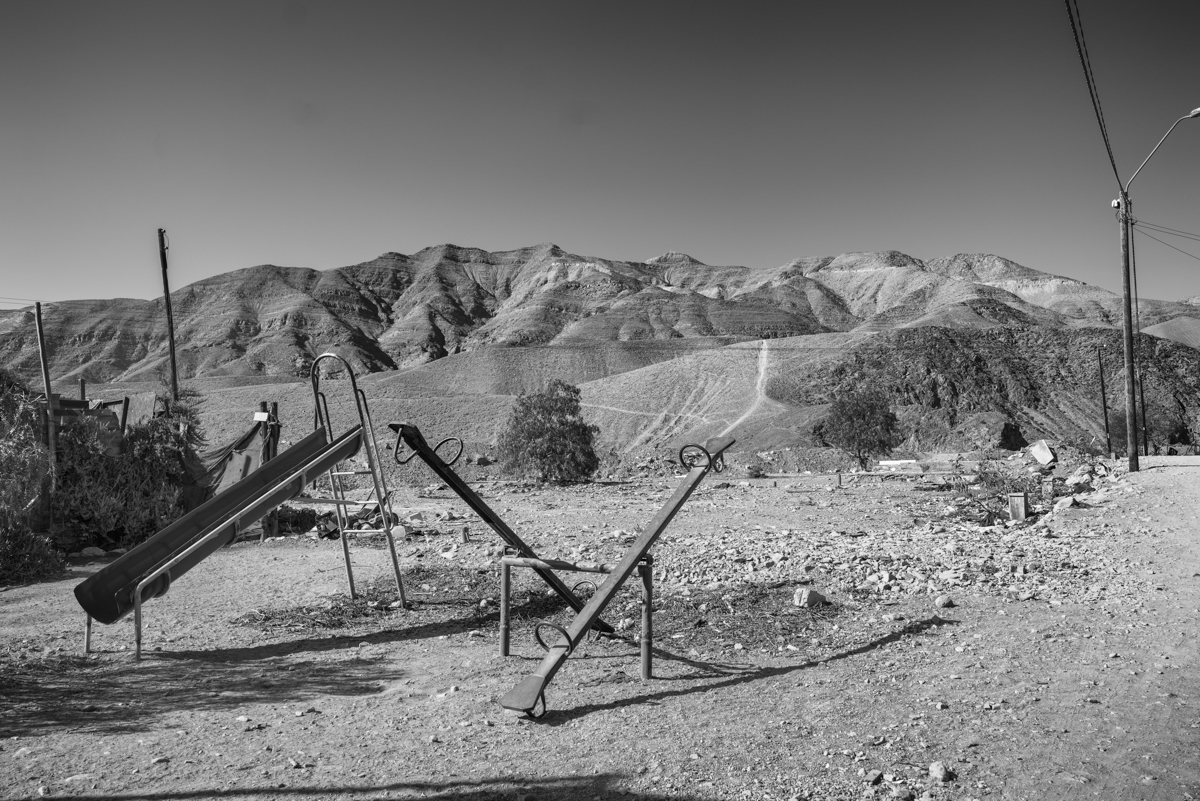
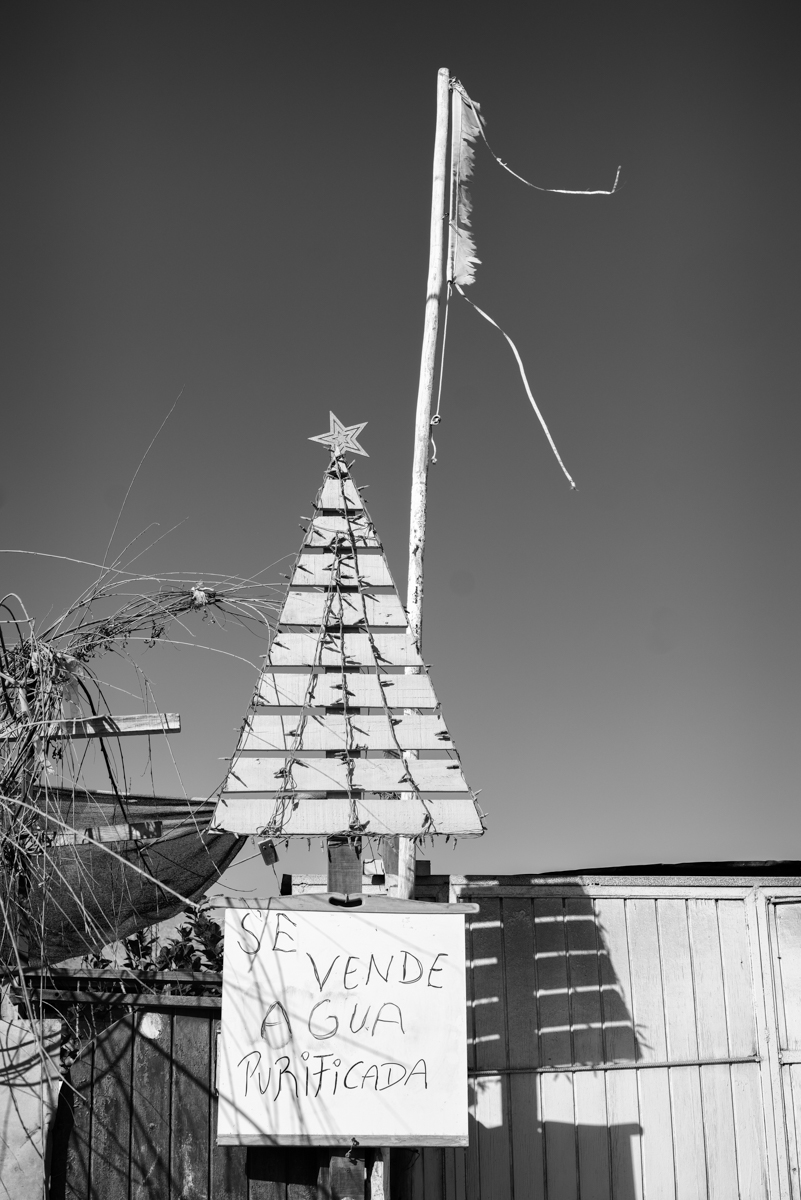
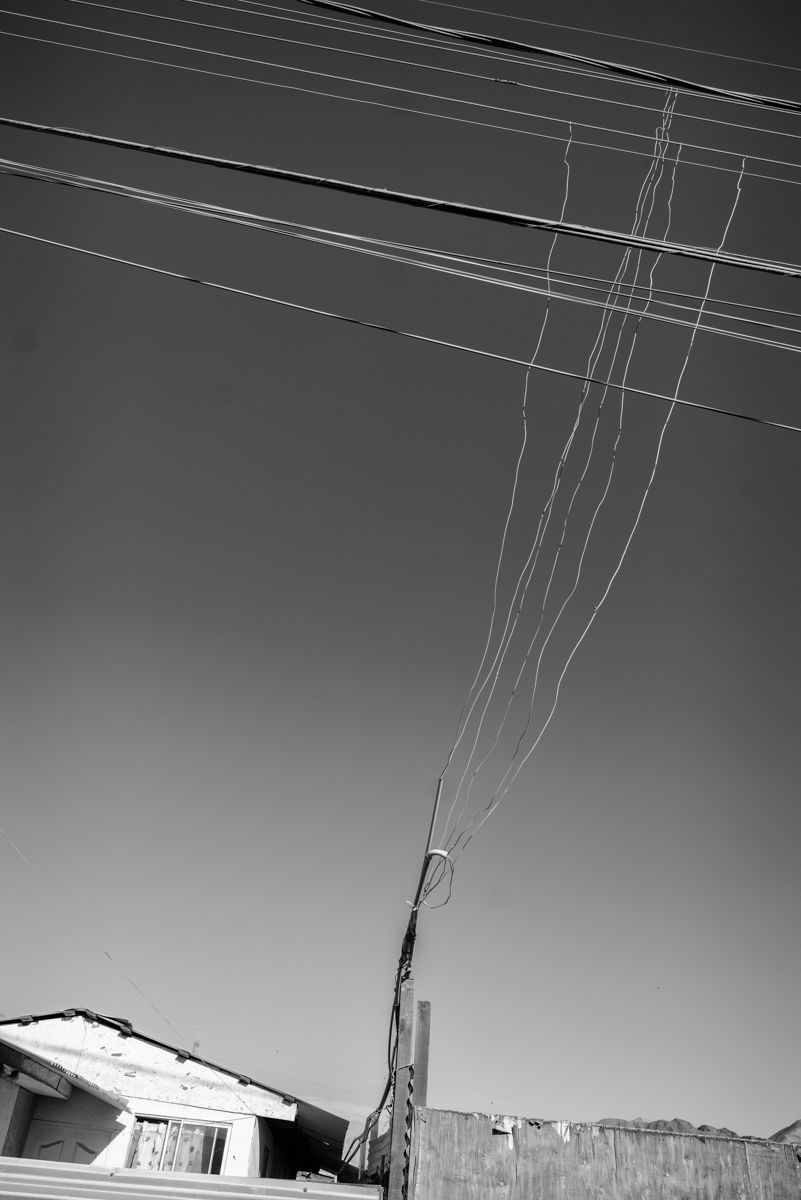
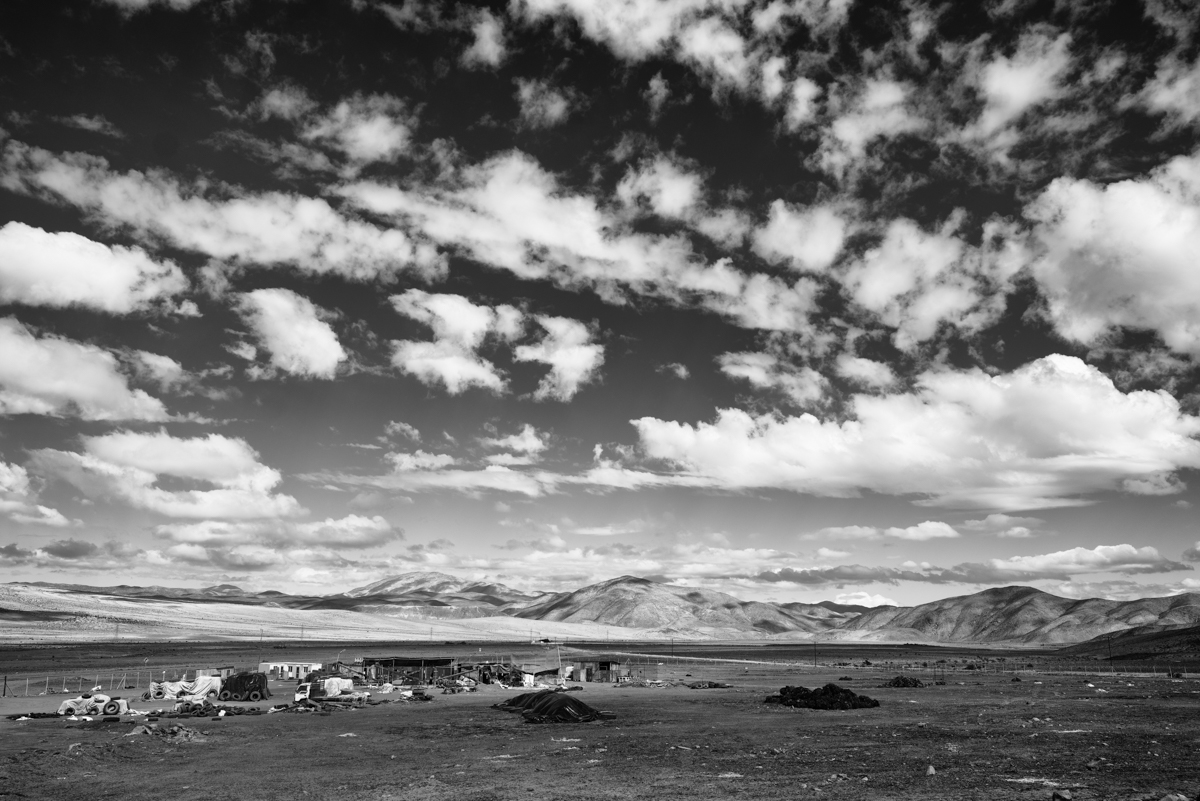
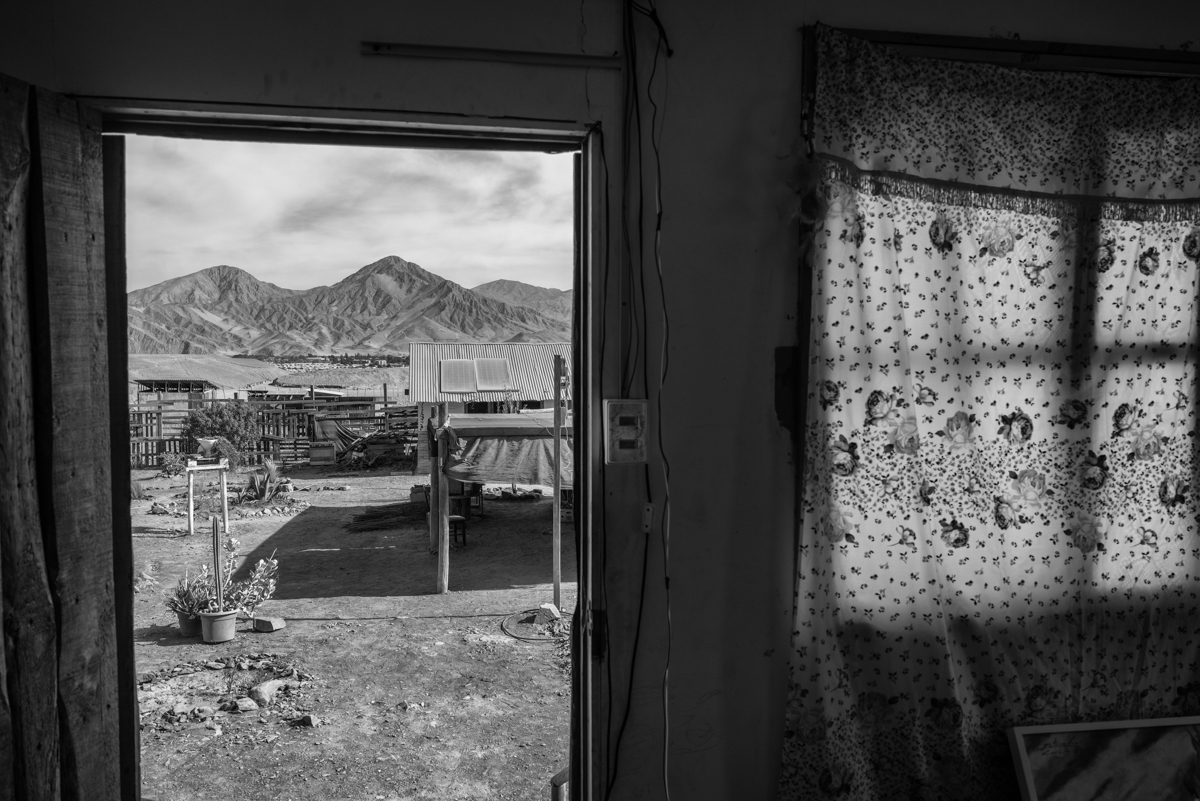
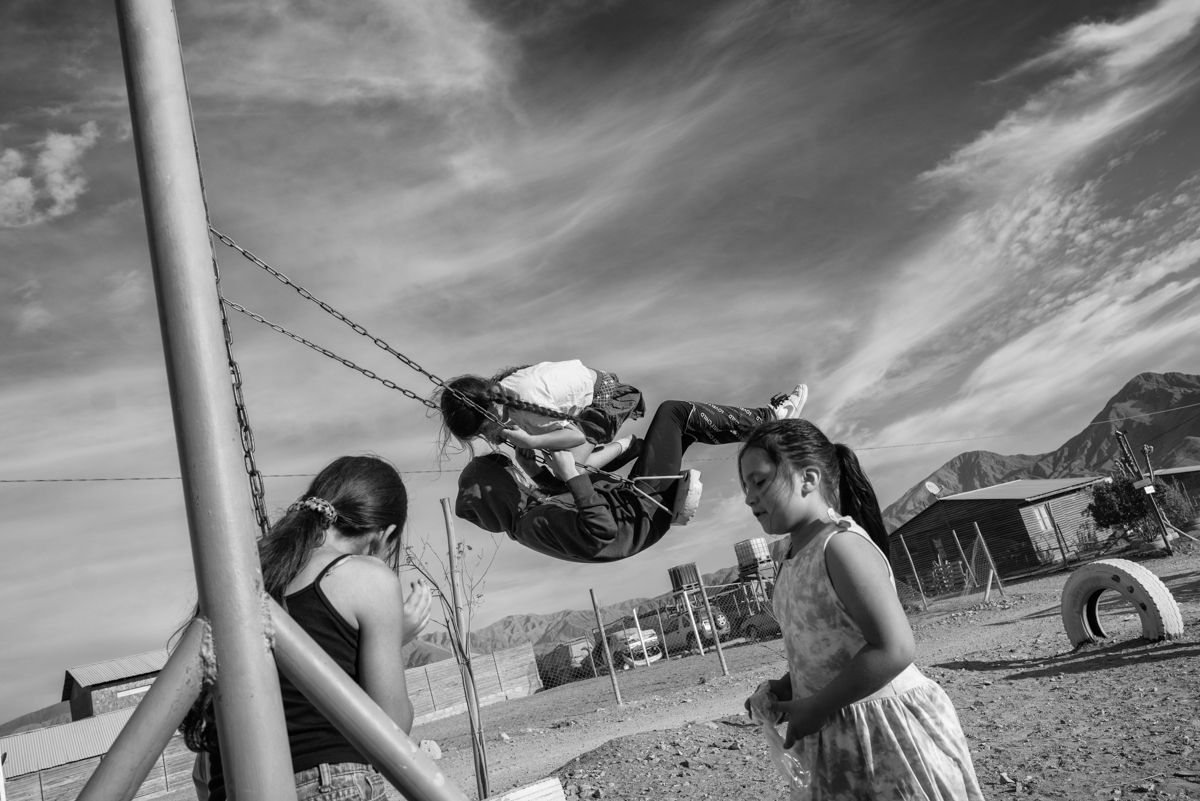
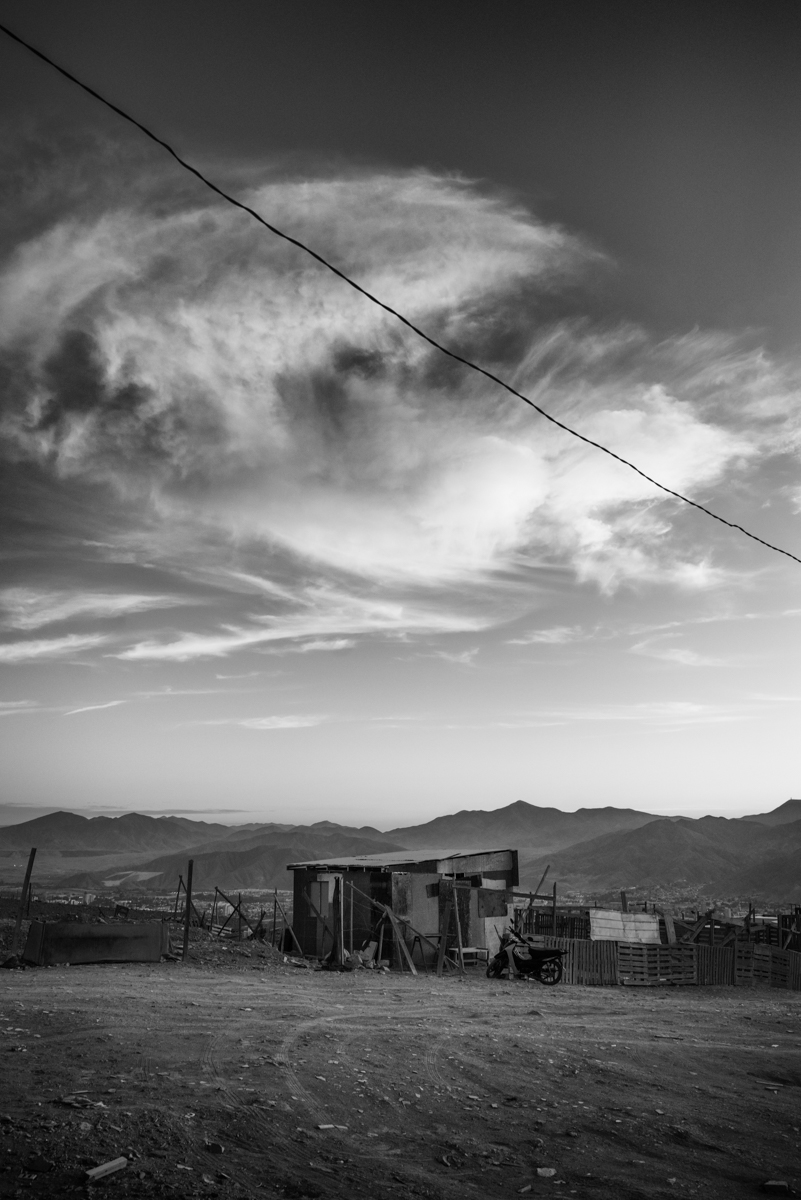
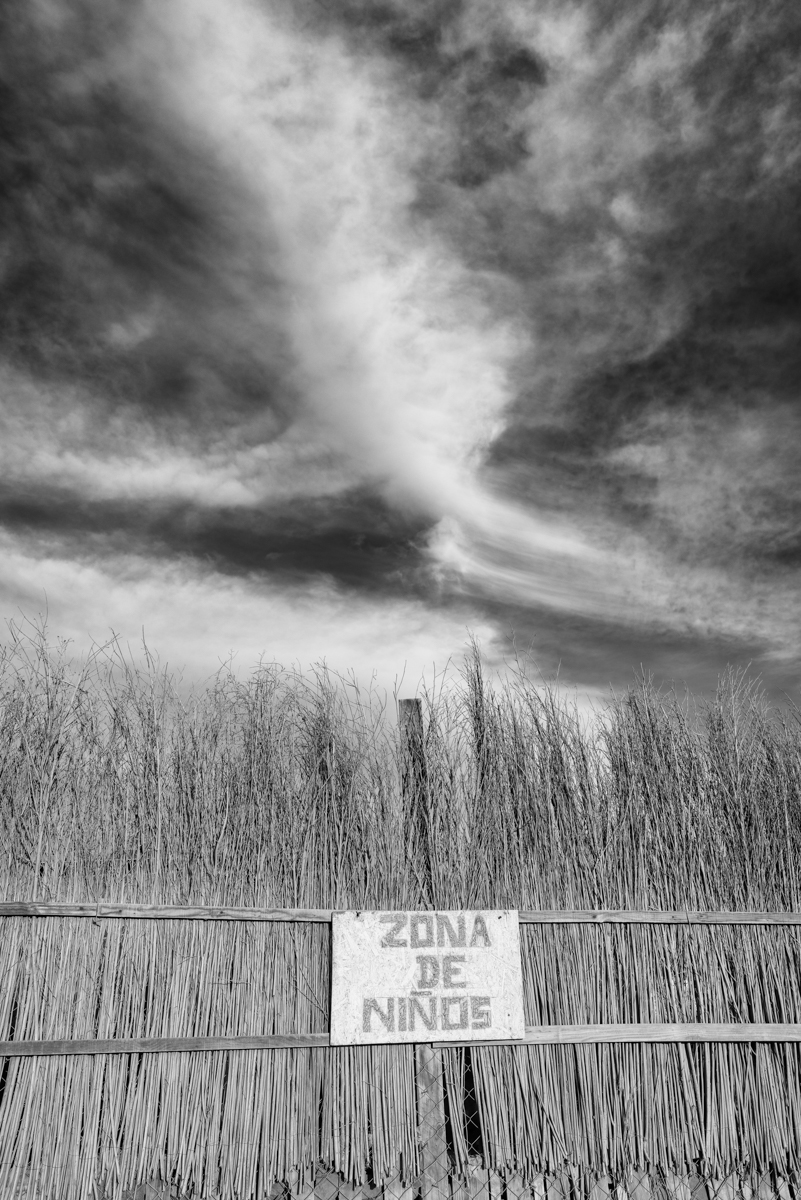
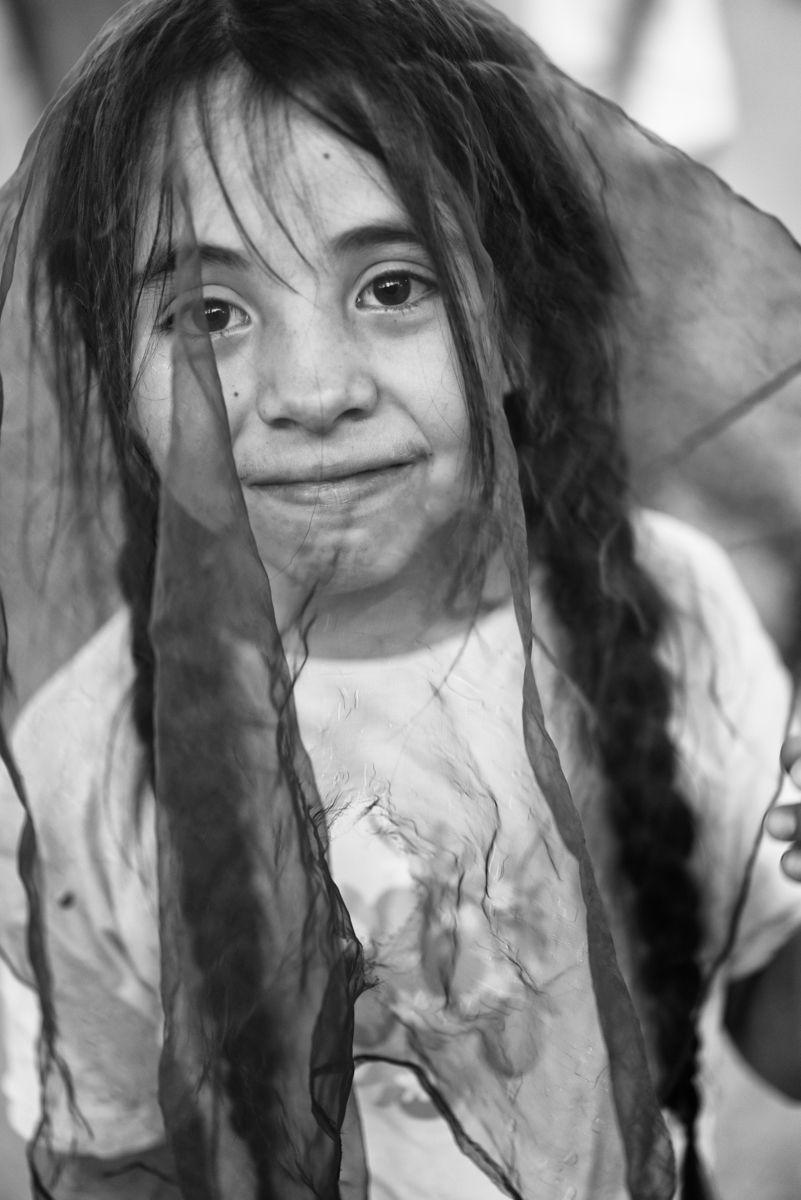
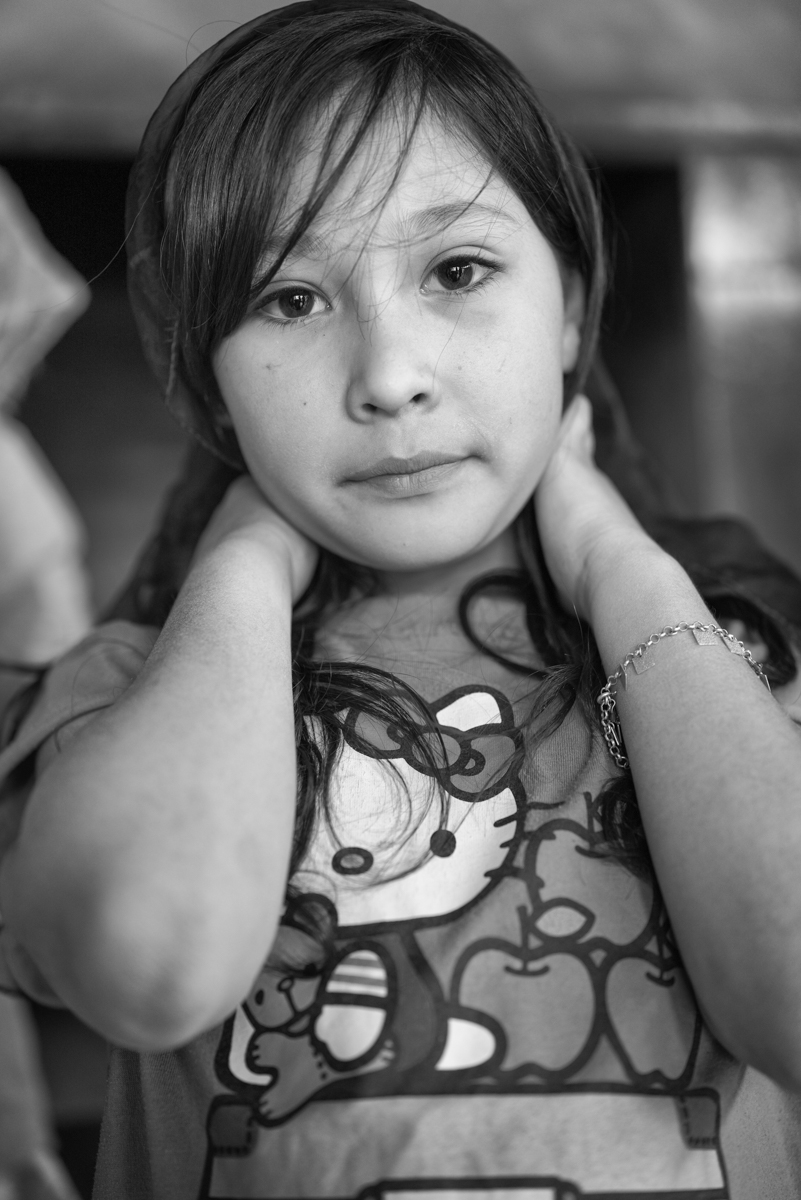
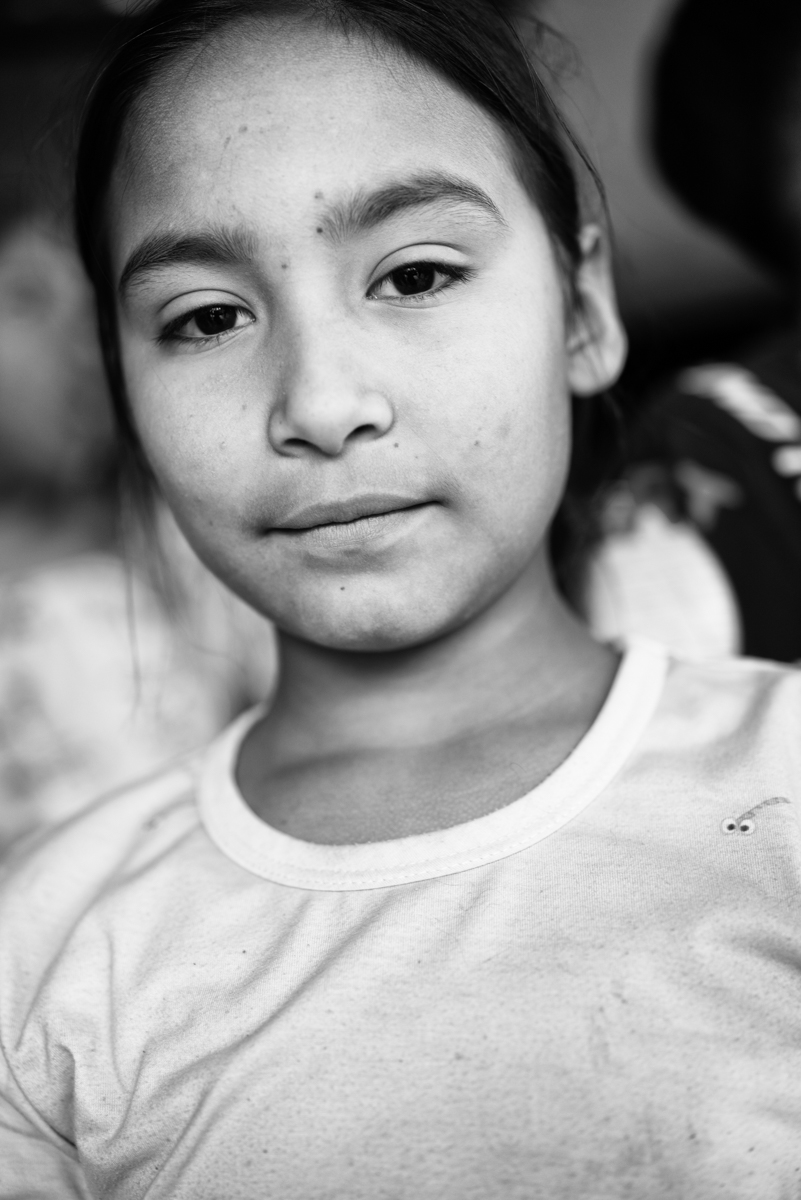
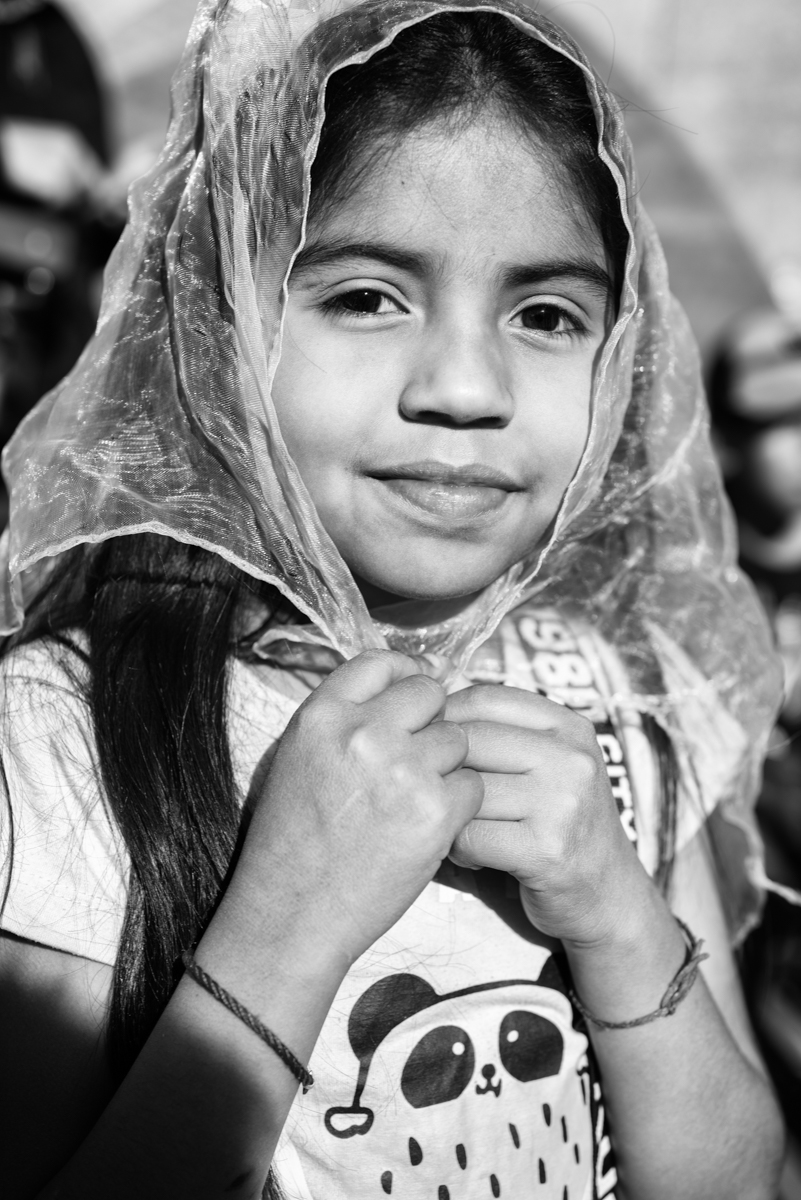
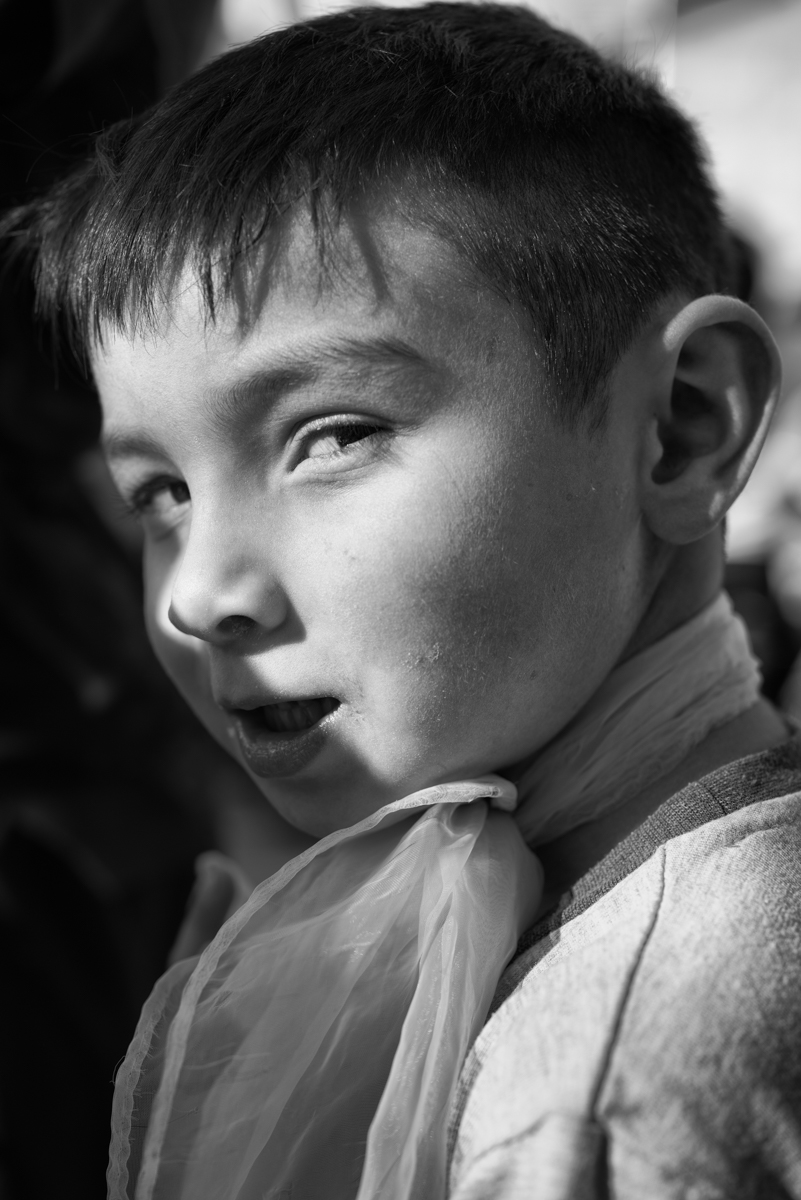
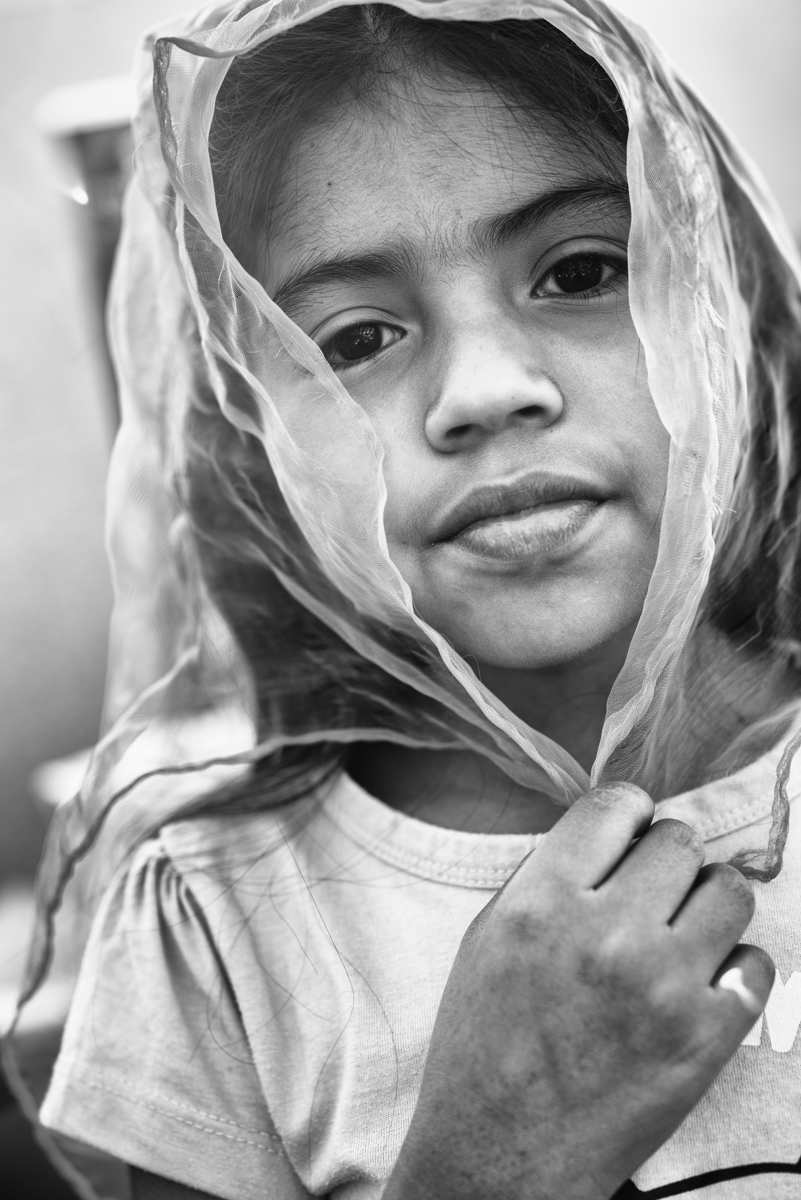
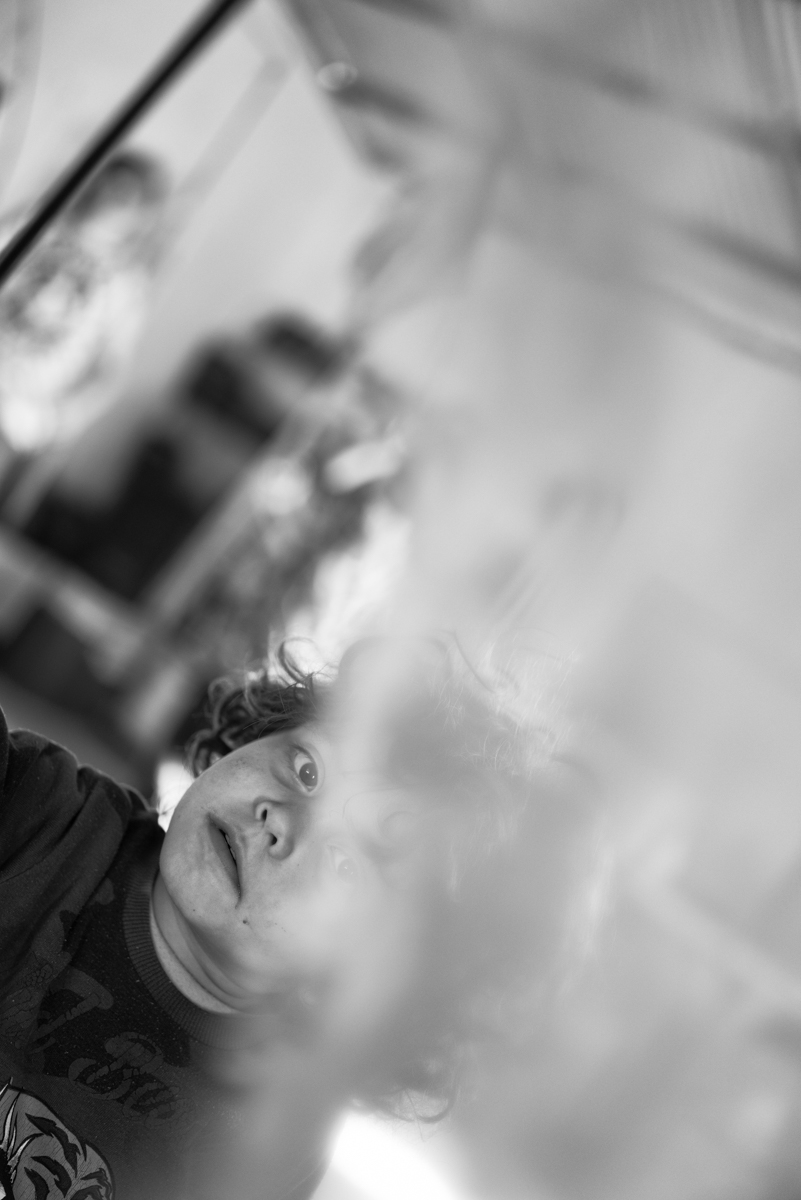
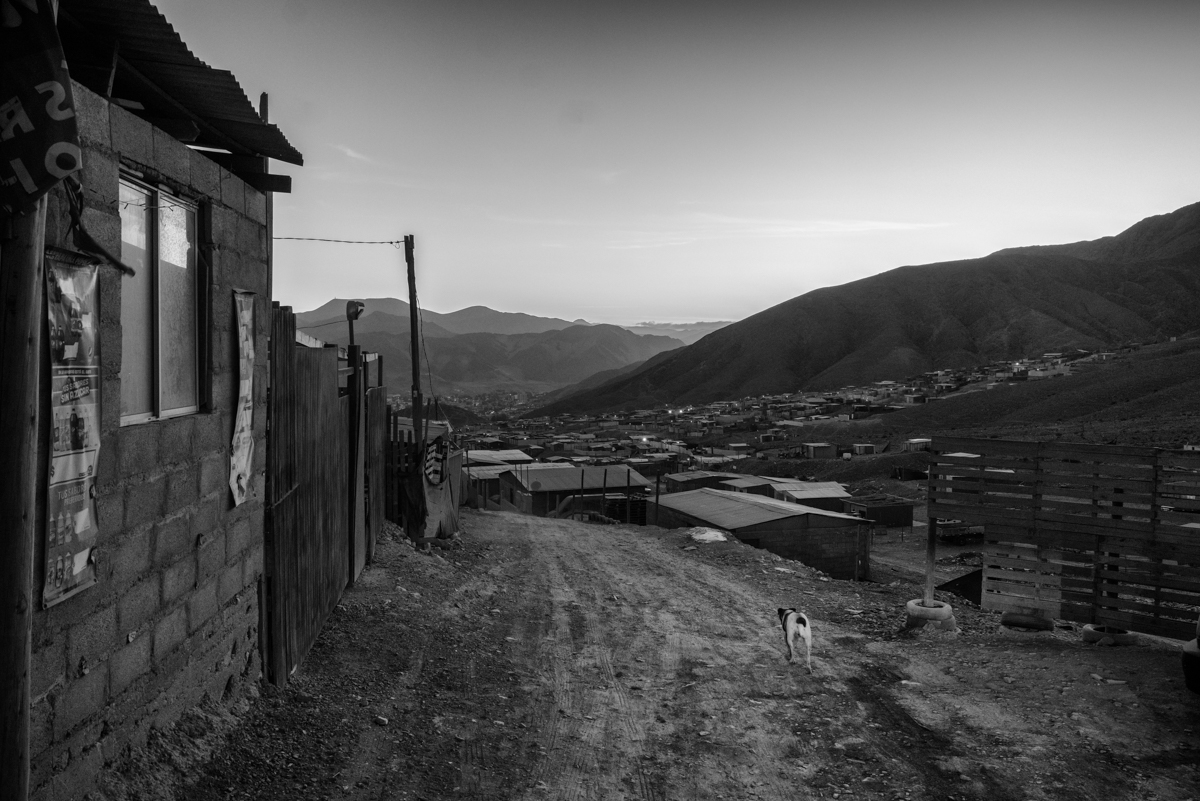
The economy of Copiapò is mainly based on copper and silver mining and is not exactly a thriving one. Most of the suburbs are settlements of the less wealthy part of the population. These settlements are called “campamentos” and, even though not as poor, to some extent they could be compared to Brazilian favelas.
Drug dealers and other criminal groups control the life in some campamentos, using violence and weapons whenever needed. Abuse of women and children is frequent.
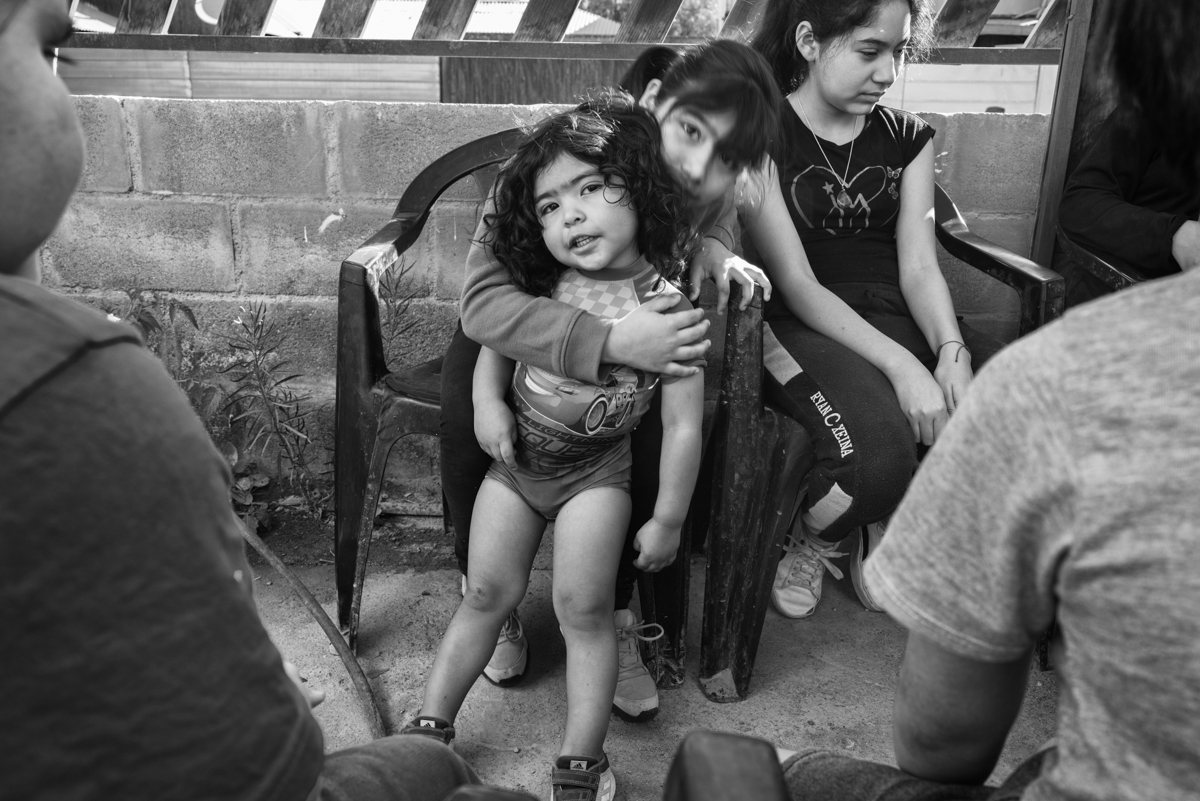
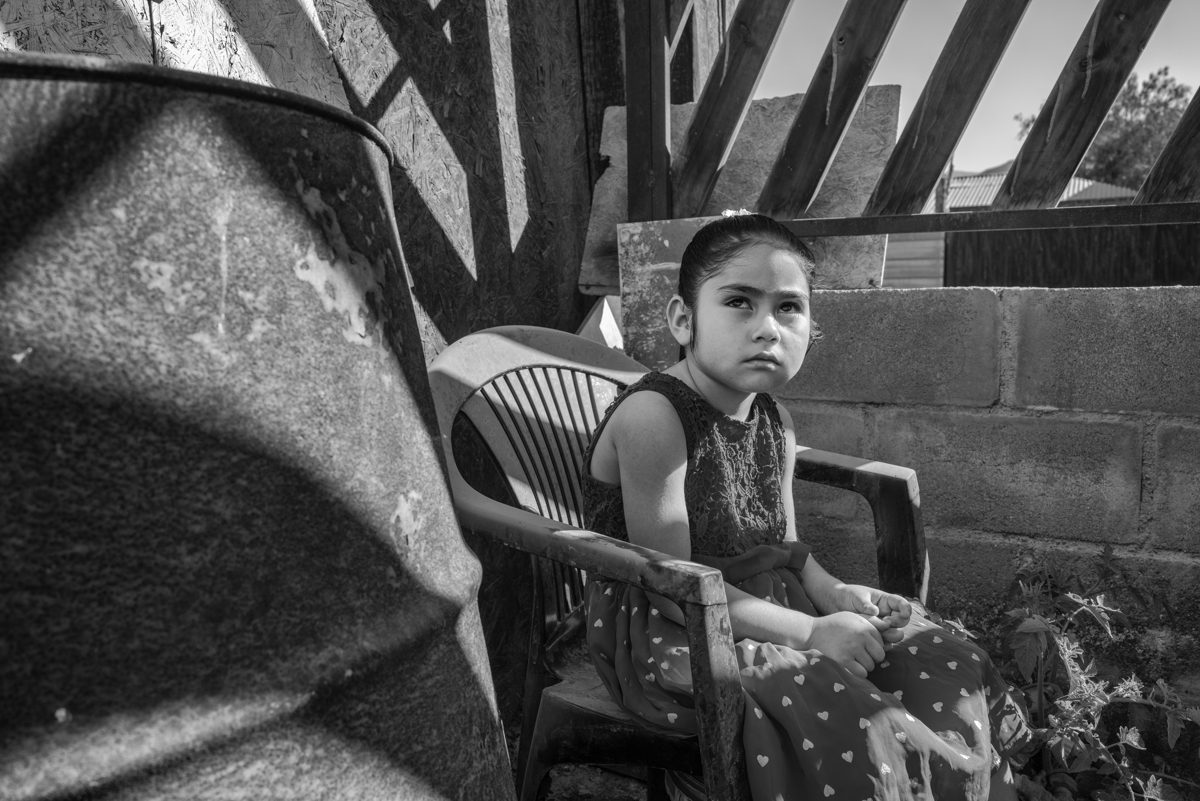
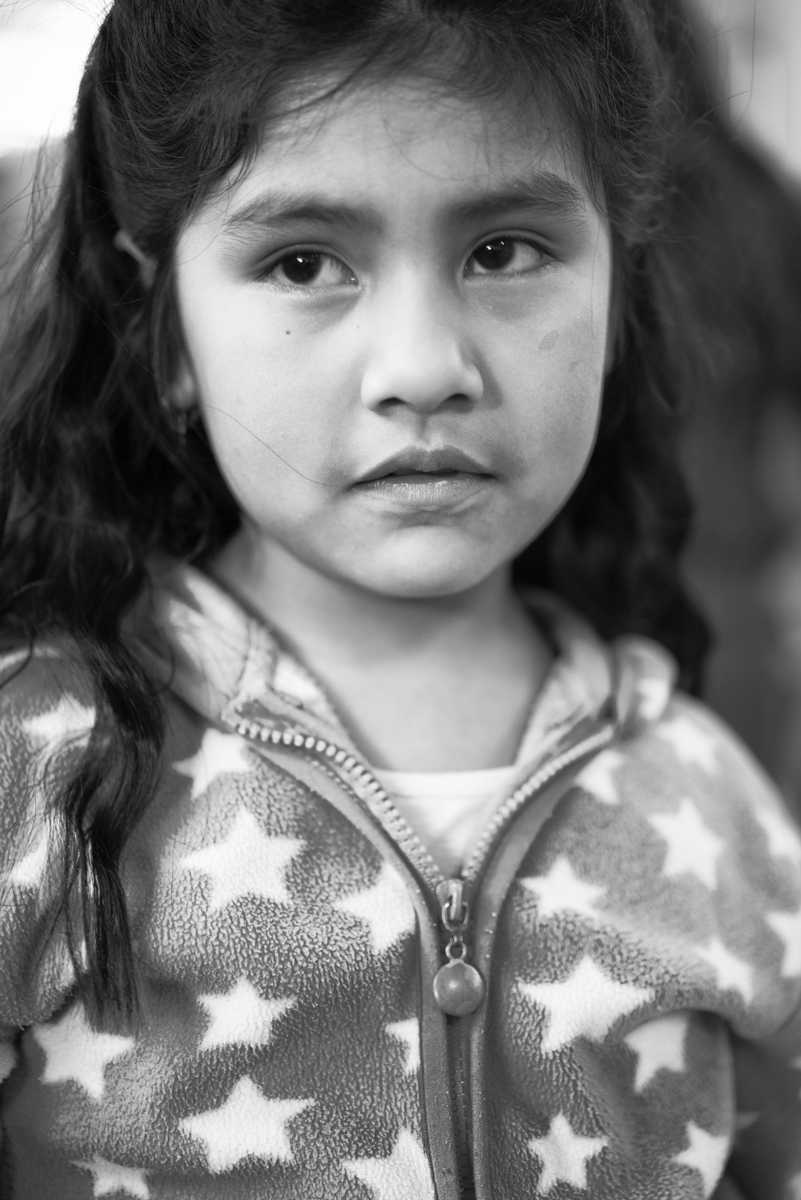
Life in the campamentos is not easy for anyone, especially for children.
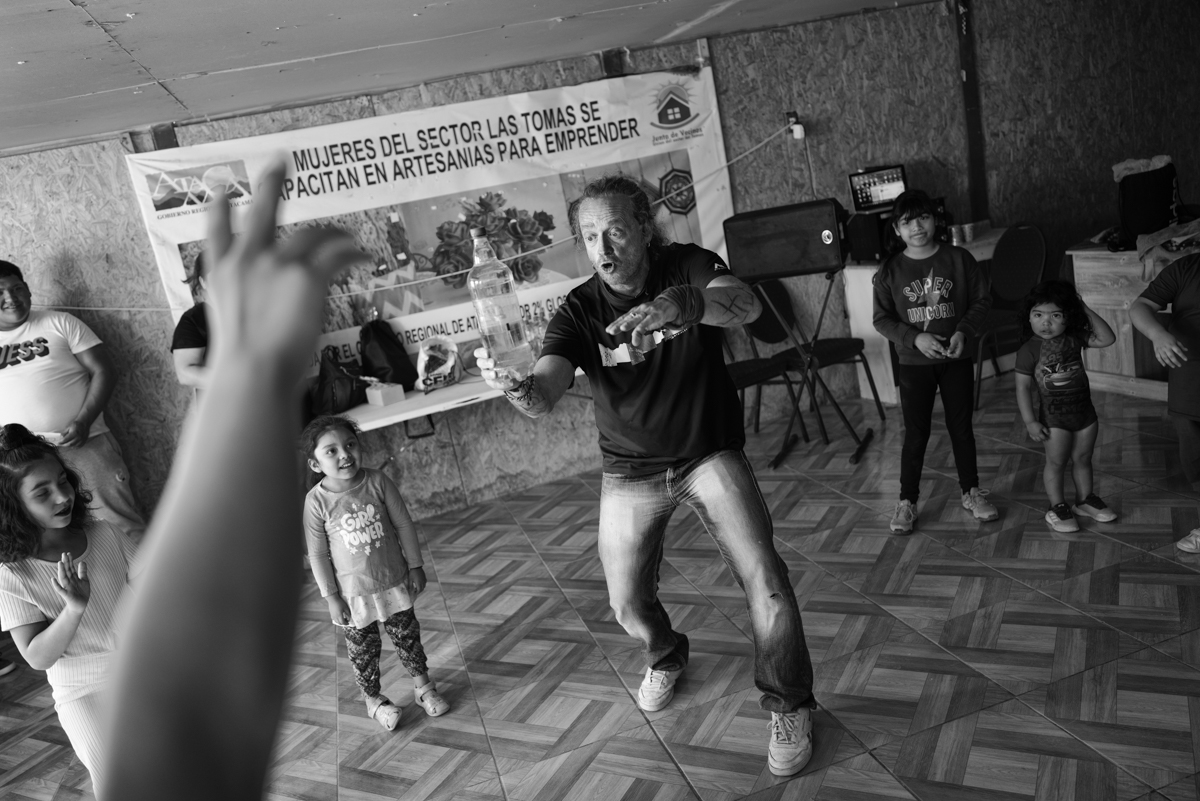
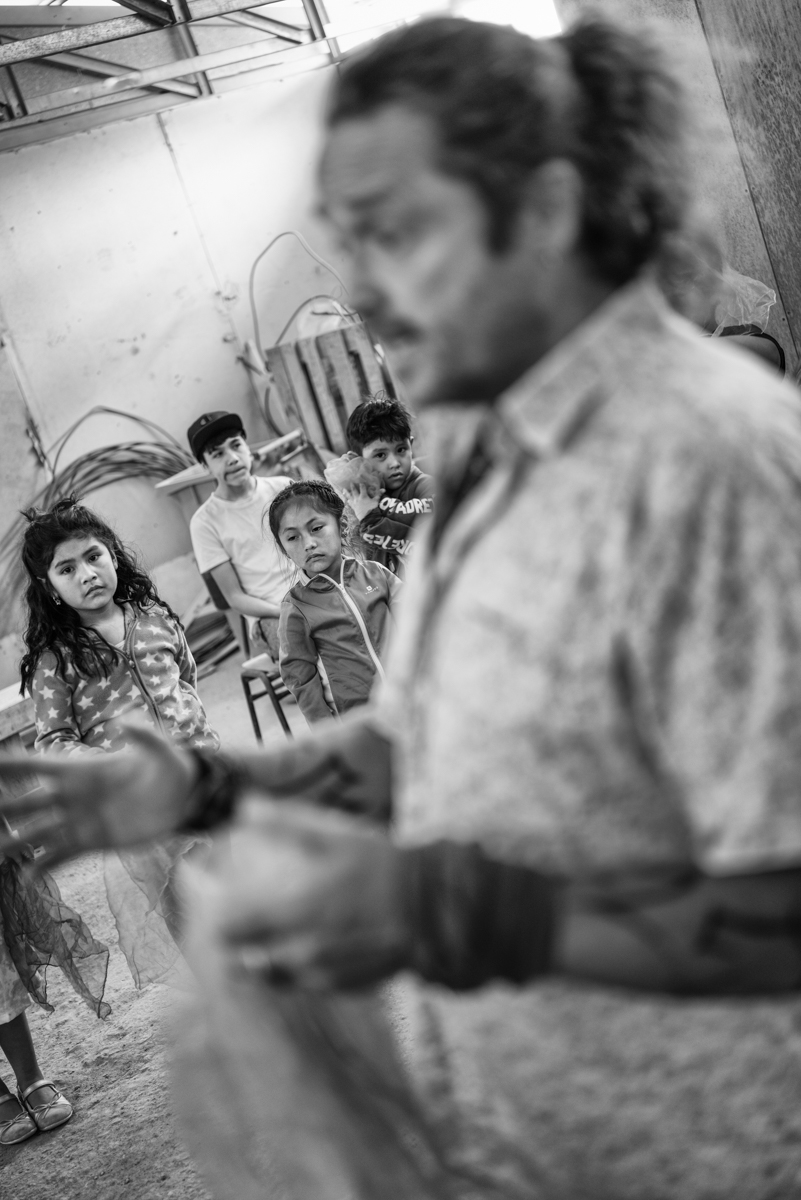
Here Carlo Bertinazzo, friend, artist, teacher, musician, horse tamer and much more, is using his skills in performing arts to teach children the basics of expressing themselves on a stage.
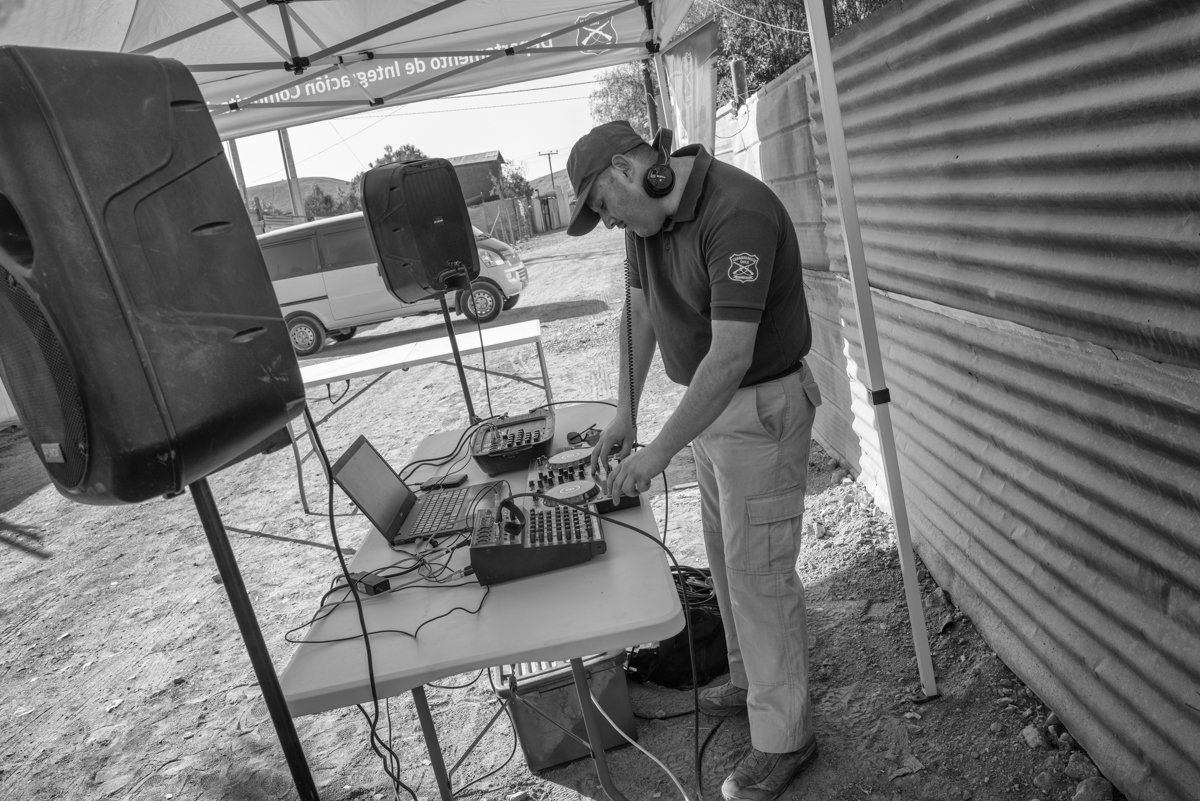
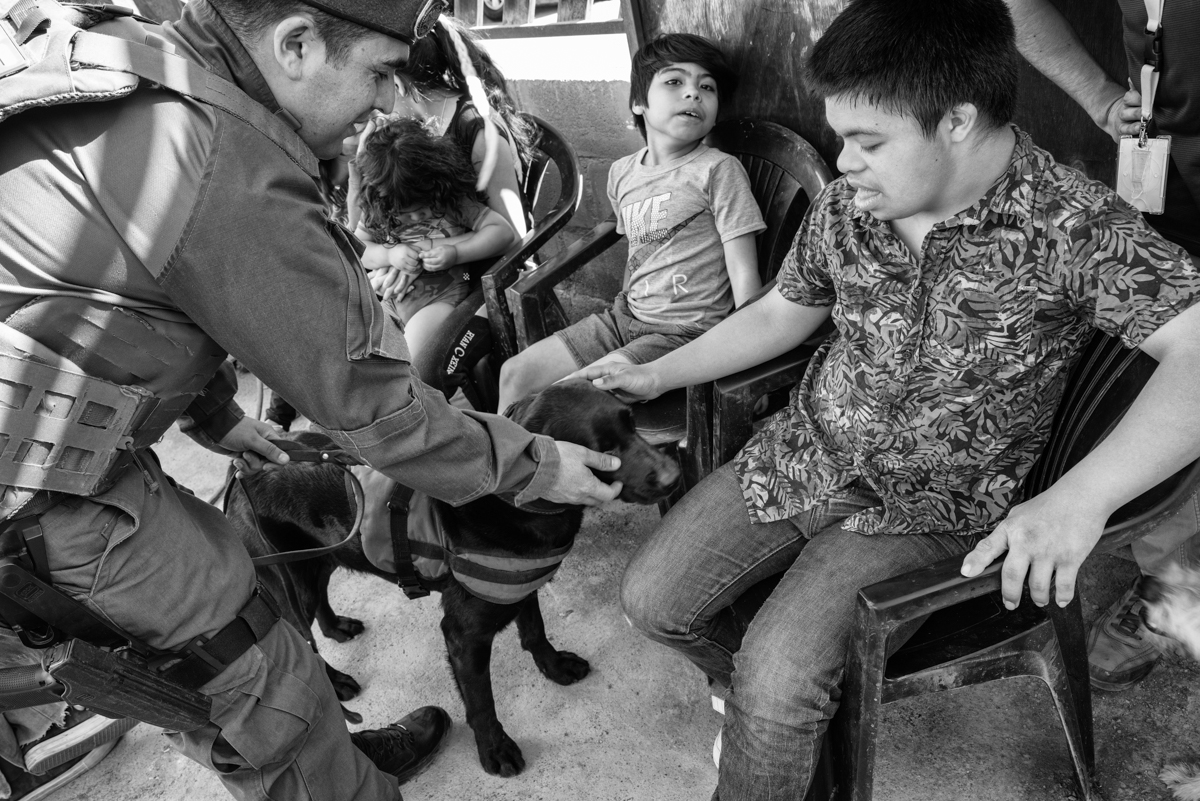
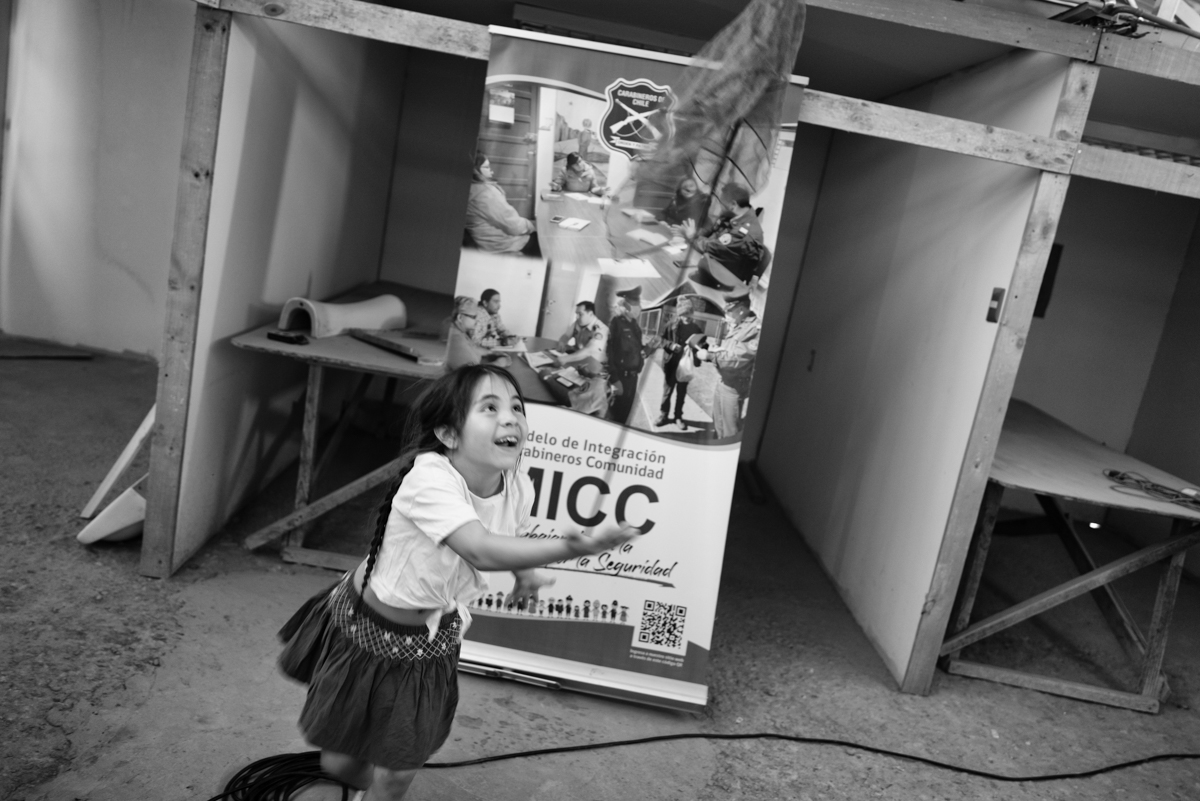
Local court judge Gabriela Varela, who is extremely concerned with the protection of women and minors, has been working with Carlo to make this project real from the very beginning. She has been granted the support of local authorities and the support of Chilean police, the “Carabineros de Chile”. Thanks to the guiding service and technical support of the Carabineros, Carlo and judge Gabriela can access the most remote campamentos.
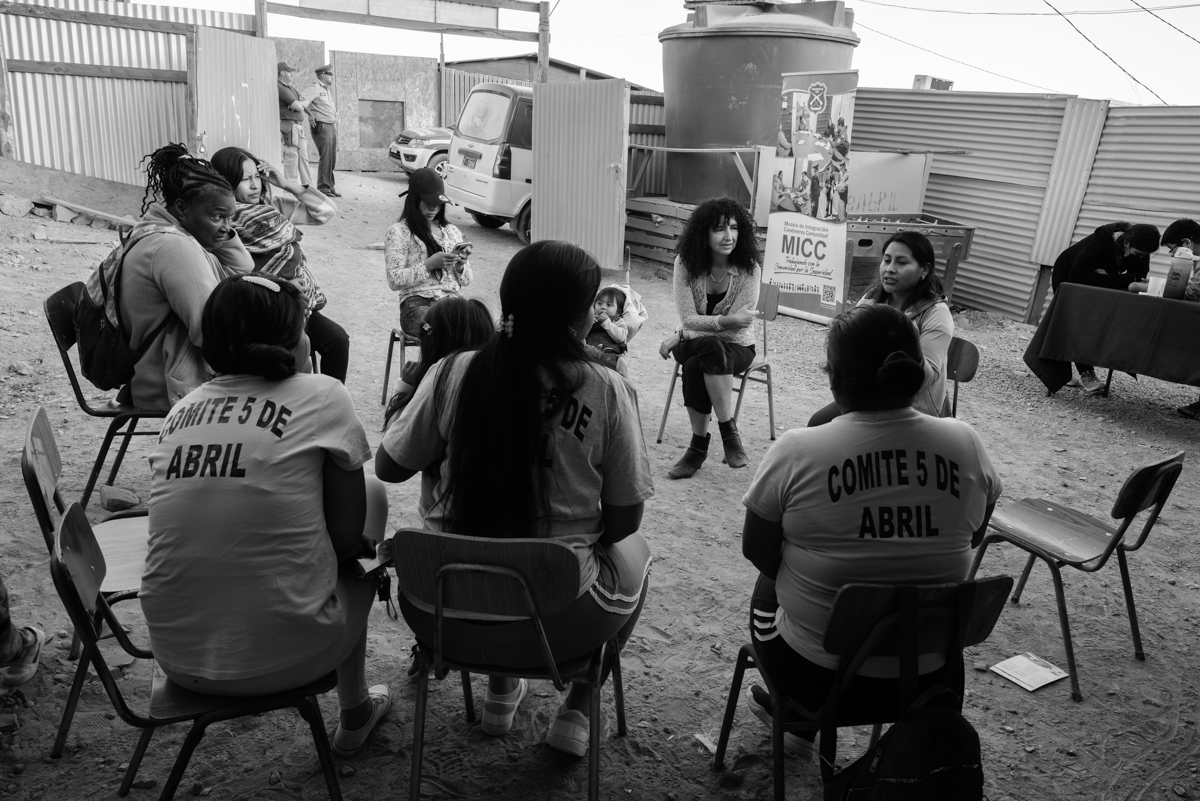
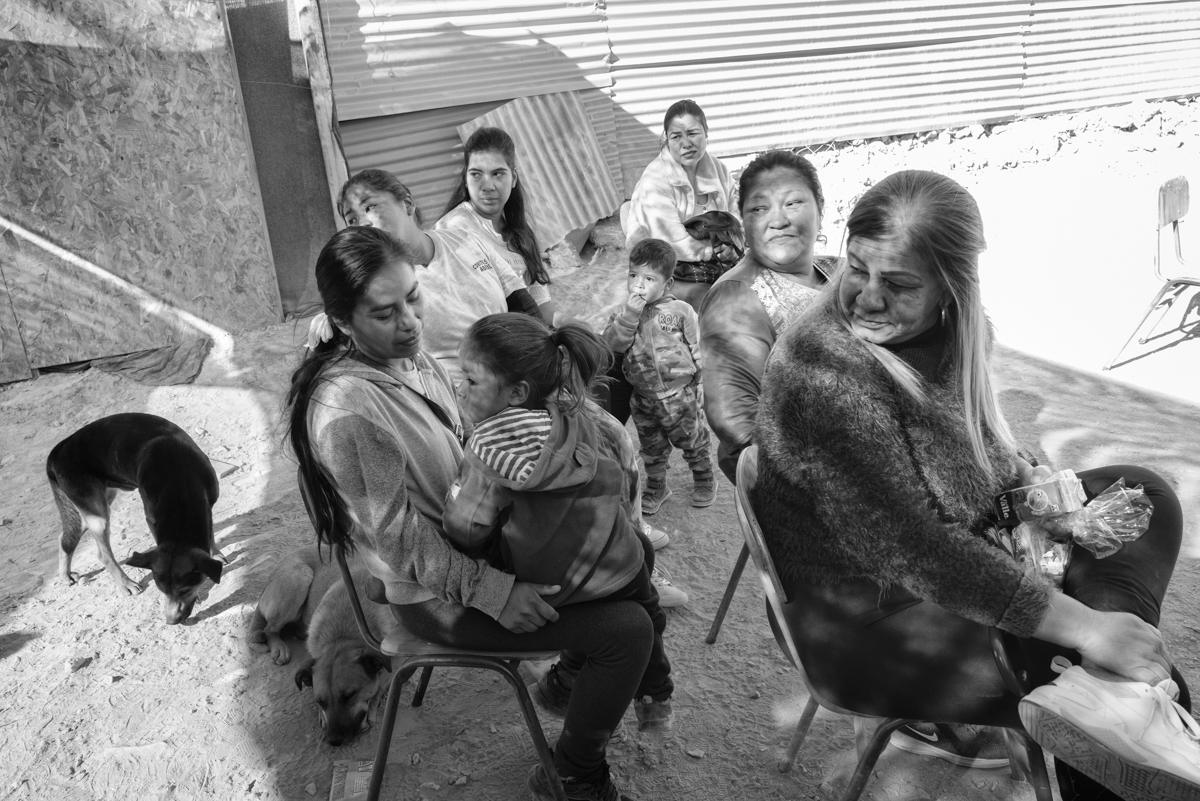
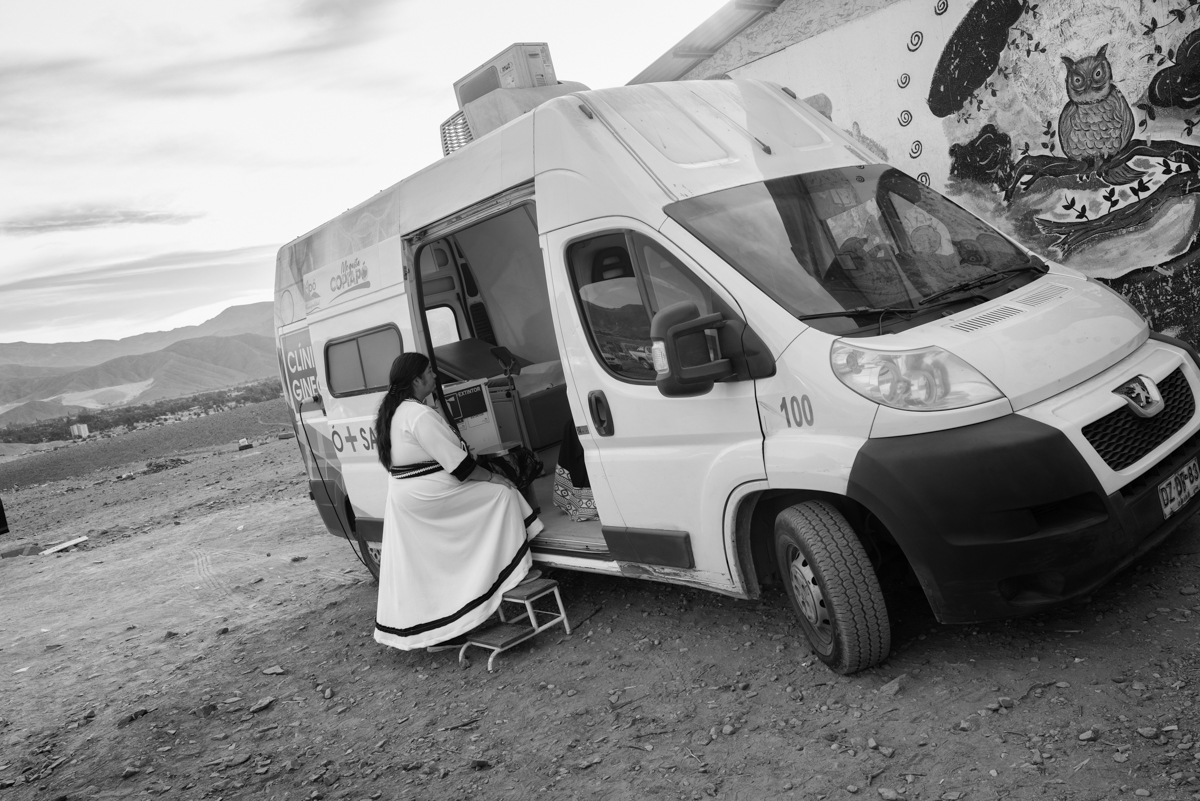
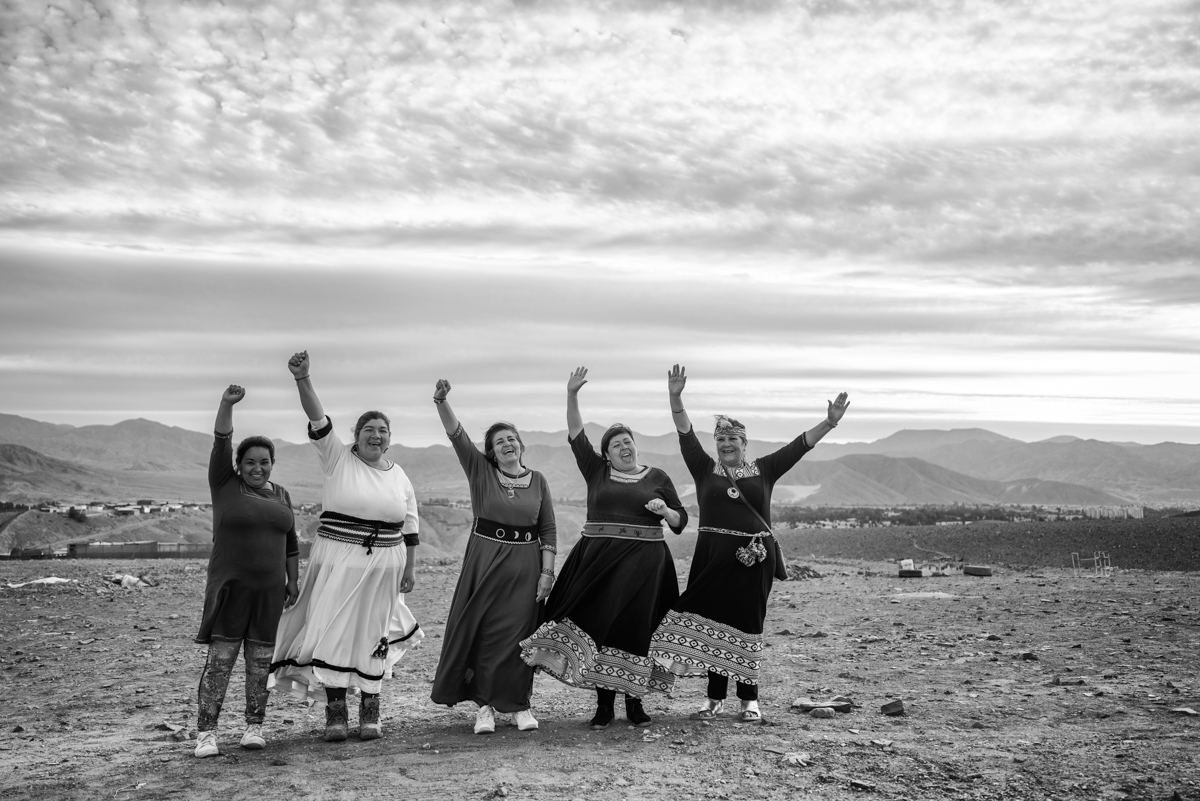
While Carlo is working with the local kids, judge Gabriela addresses the adults, mainly women, on themes like women and children rights and their protection. They are also often followed by a mobile PAP Smear Unit that performs a free test on women.
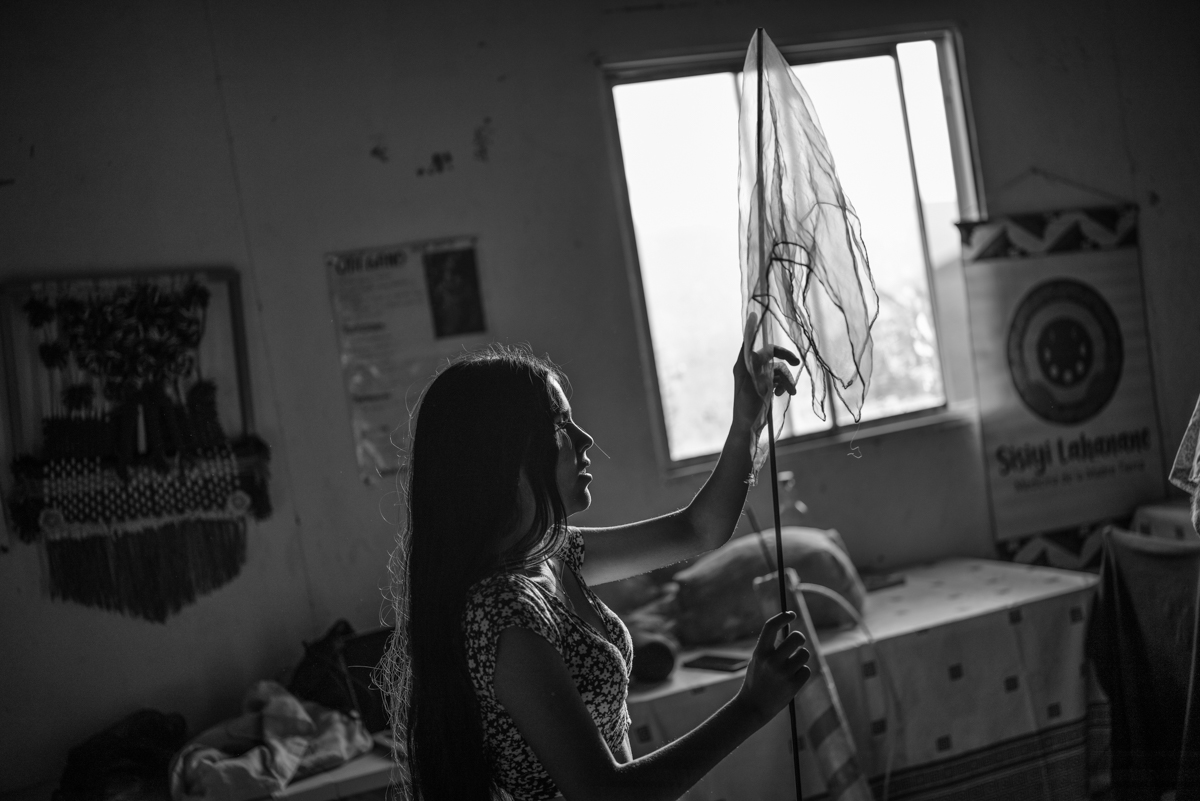
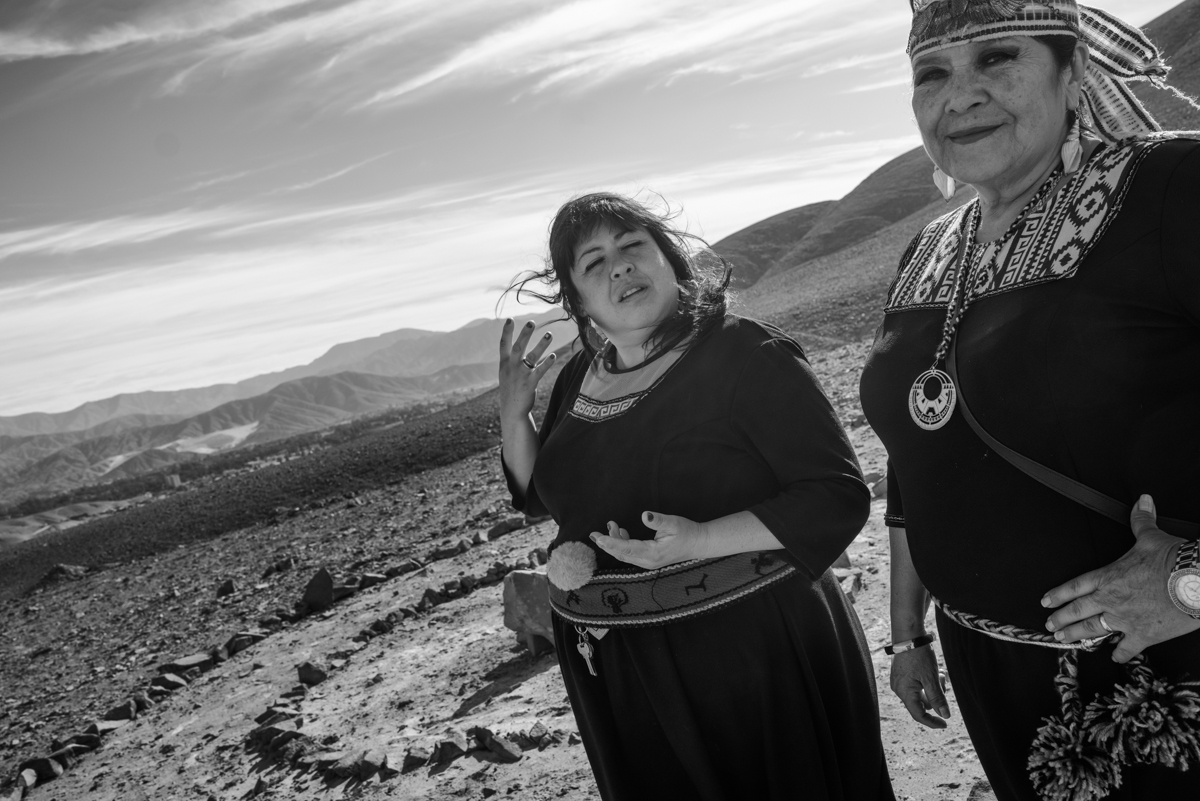
They visited most of the campamentos of Copiapò, meeting a variety of people and cultures. Many people that live here are immigrants from different countries of South America. Other campamentos are populated by indigenous Chileans, such as the Diaguita and Colla people, who are still preserving their original culture and religious customs.
Being himself a musician and having acting experiences, Carlo has created a show by means of which he leads children to be a fundamental part of the performance themselves.
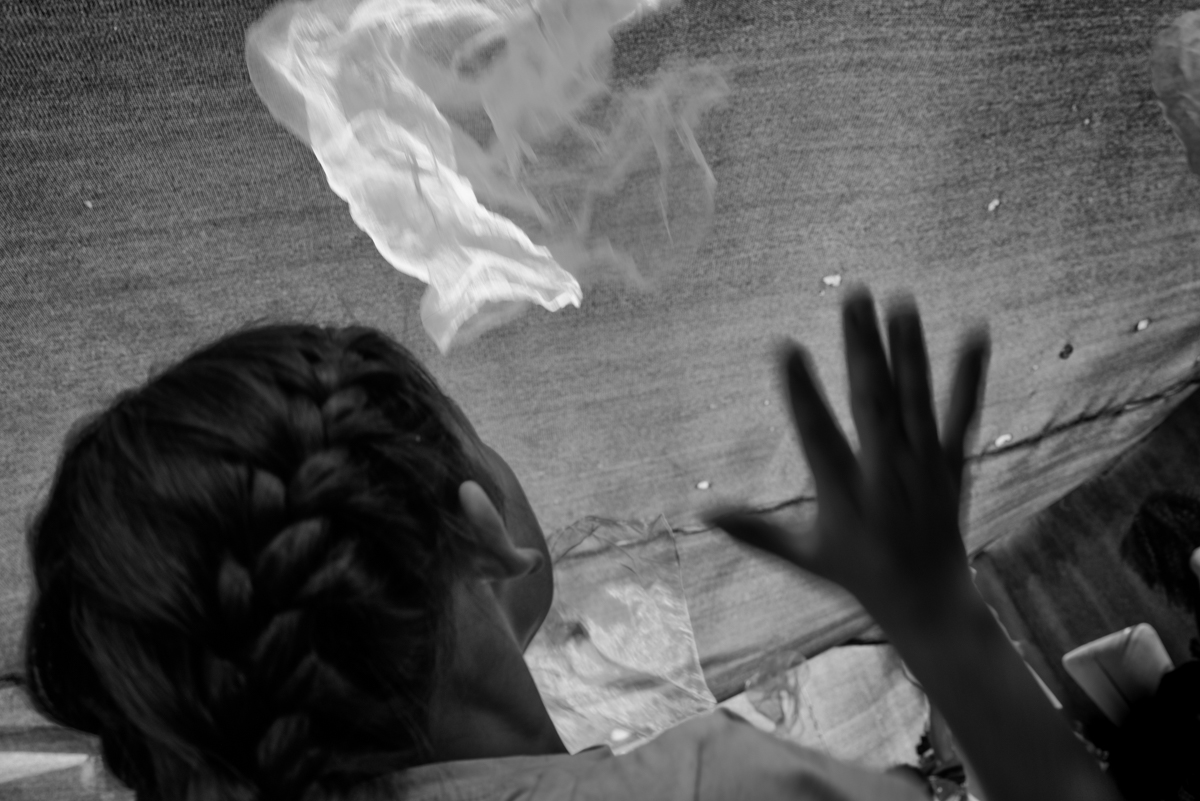
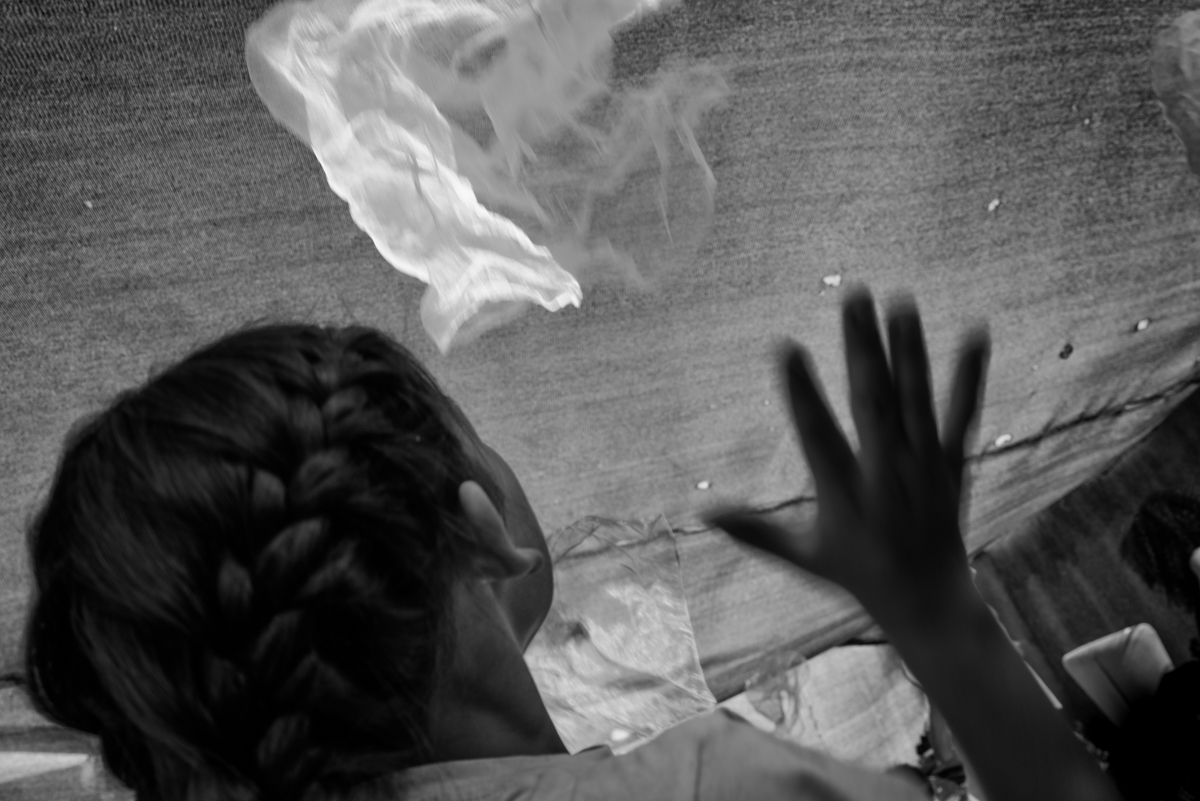
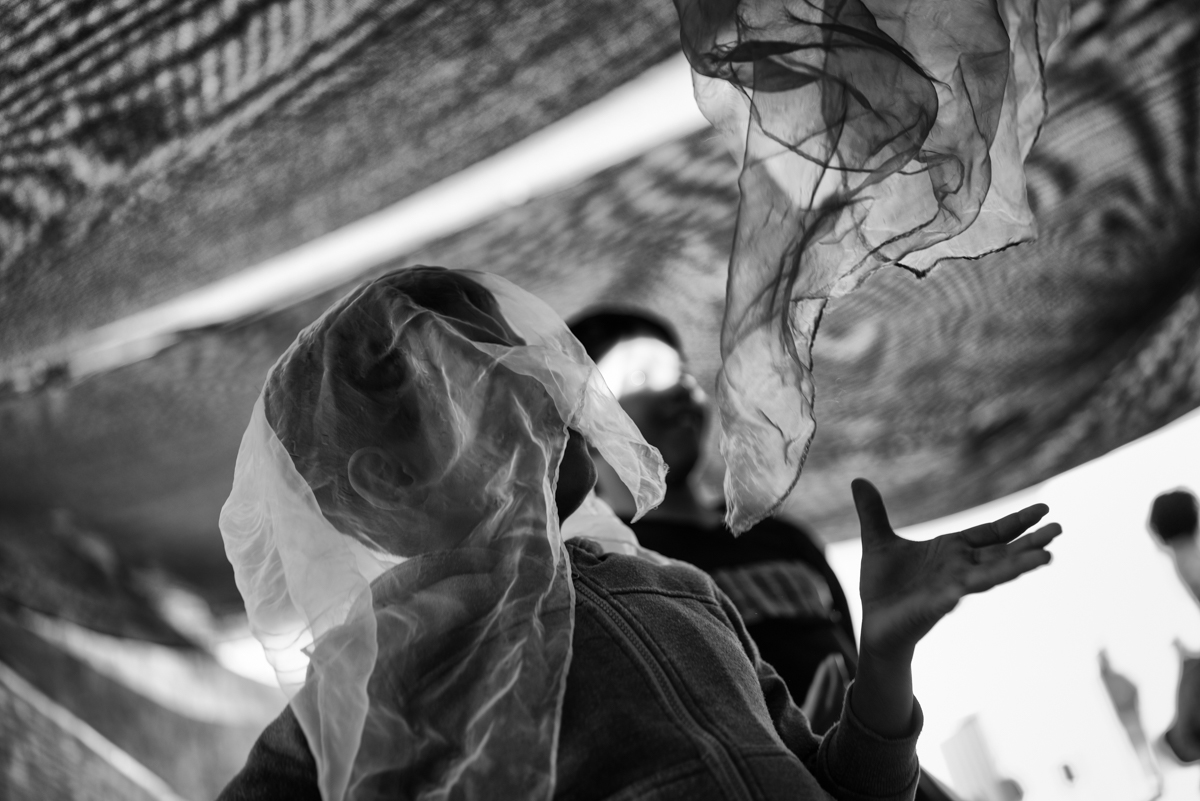
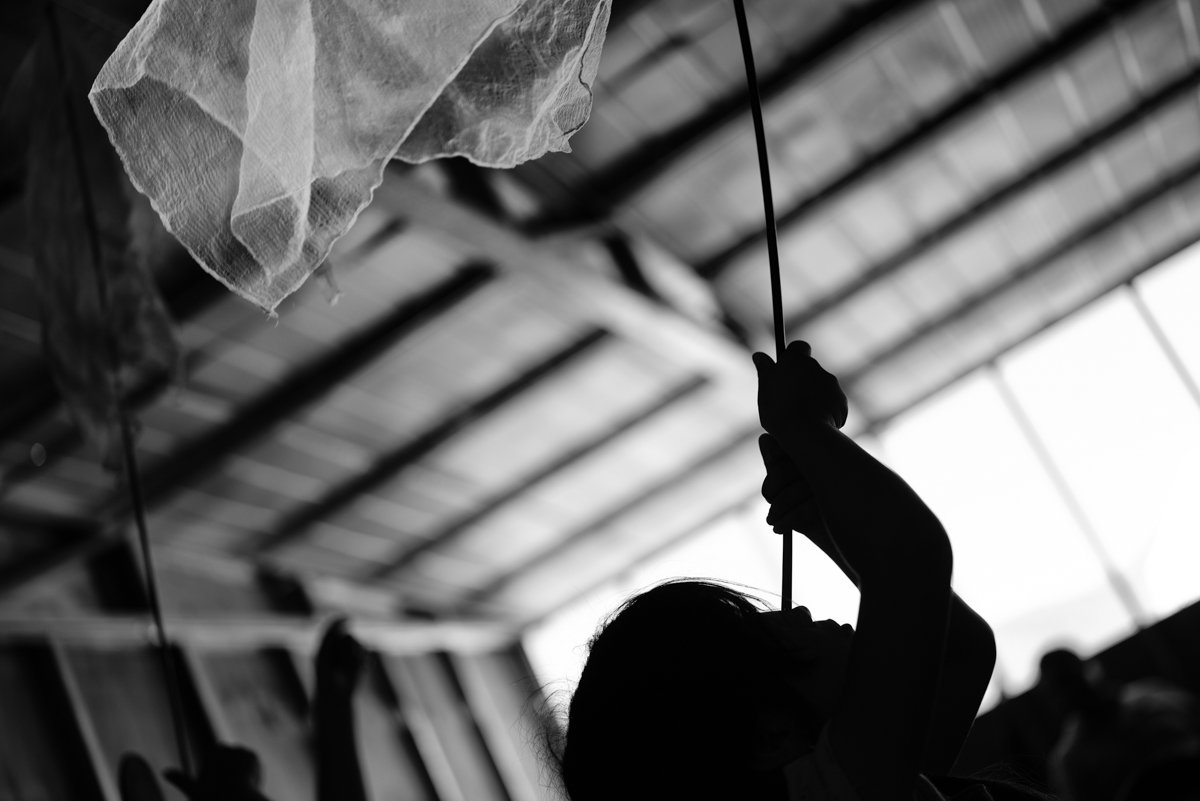
The core part of the show is what has given the name to the whole project, “El vuelo del pañuelo” or “The flight of the handkerchief”.
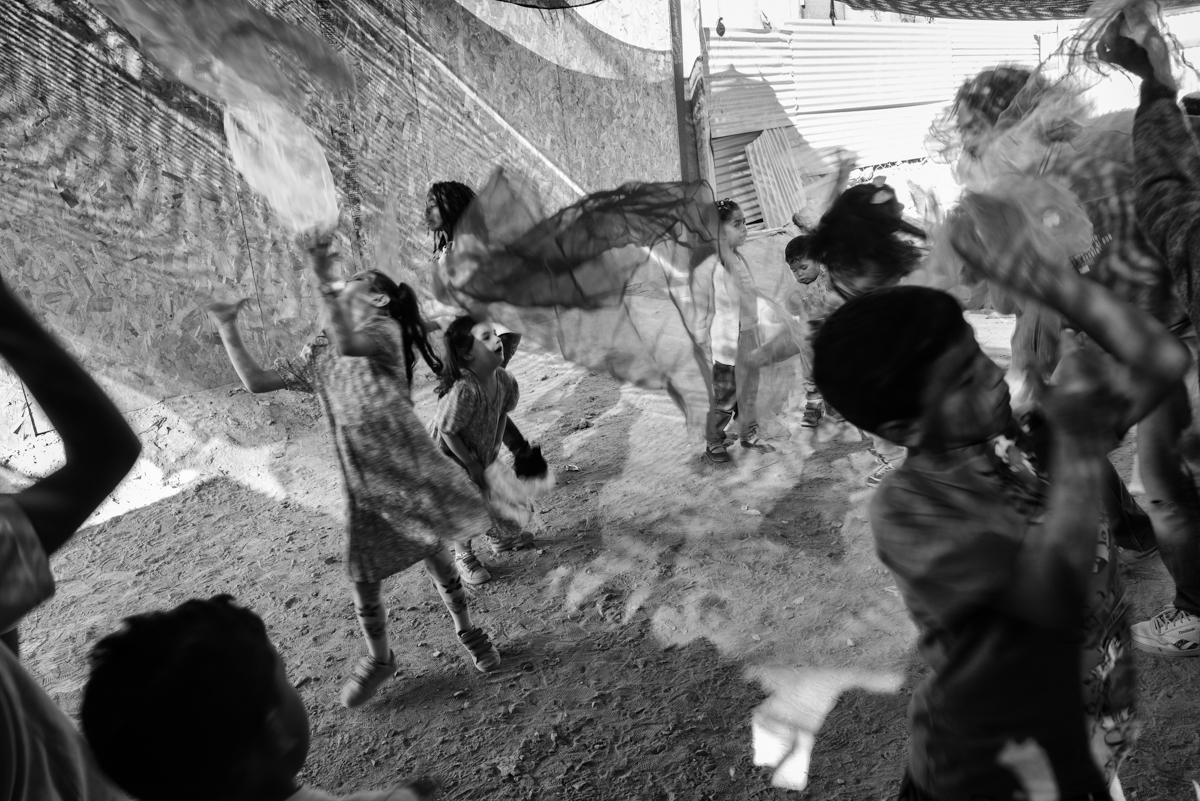
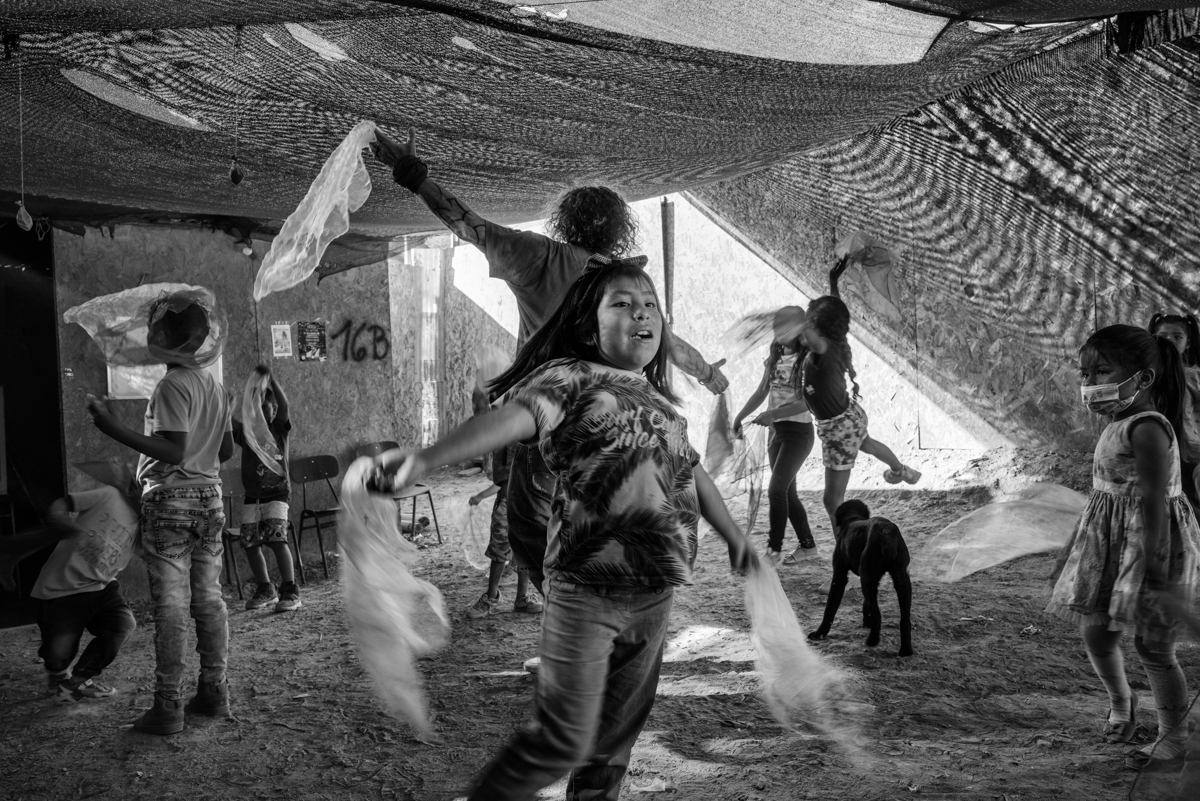
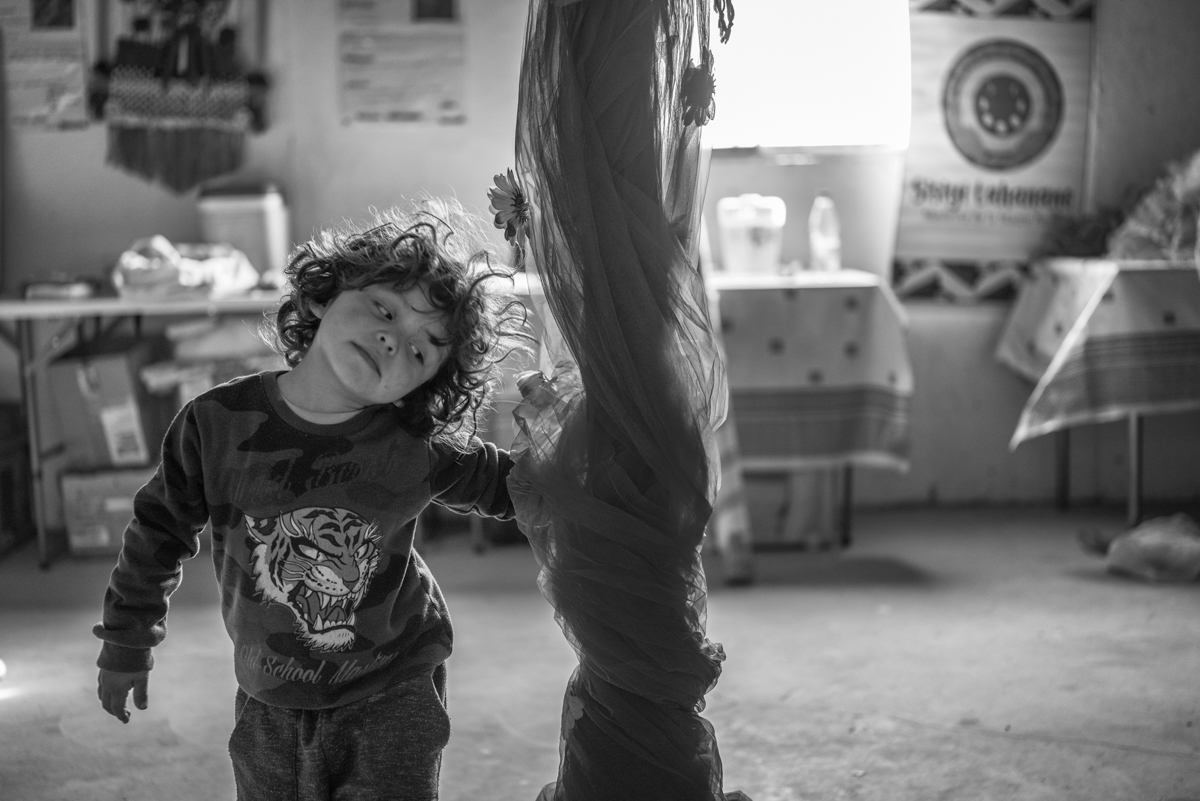
The stage where the show takes place can be a simple room of a community centre or just a dusty yard with a worn tent as a roof.
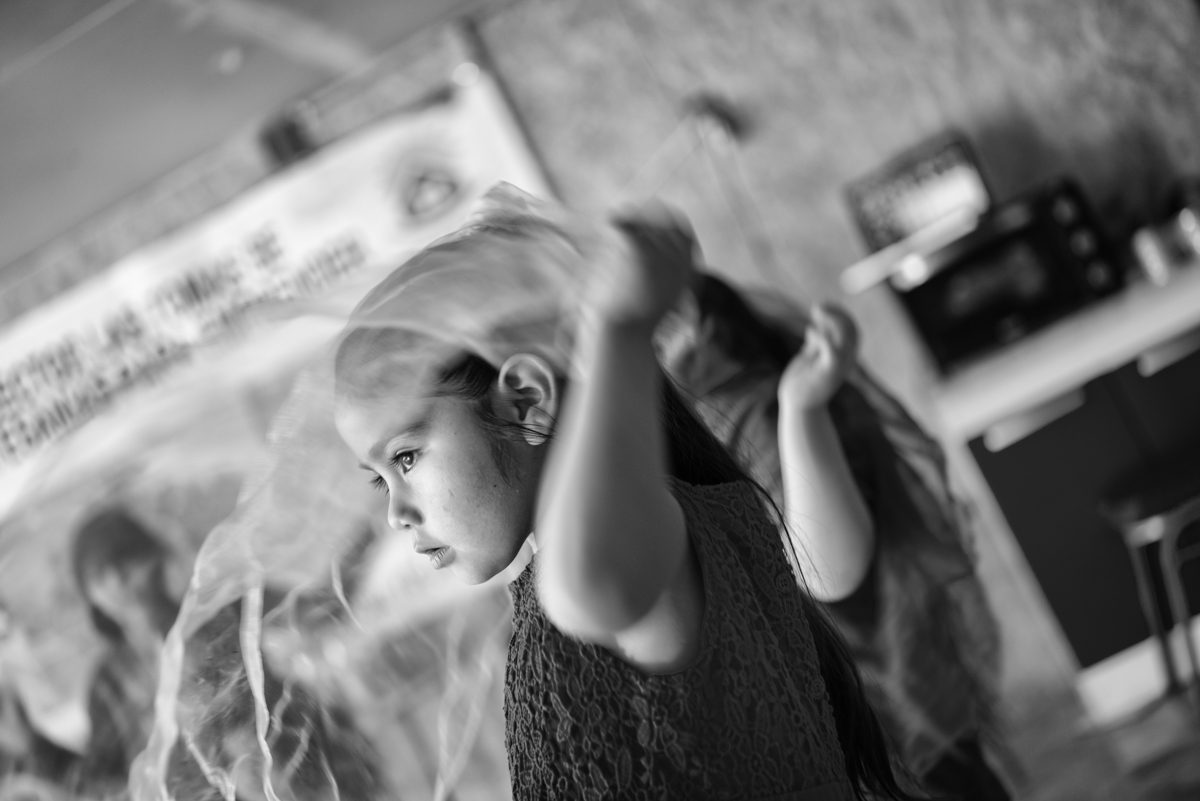
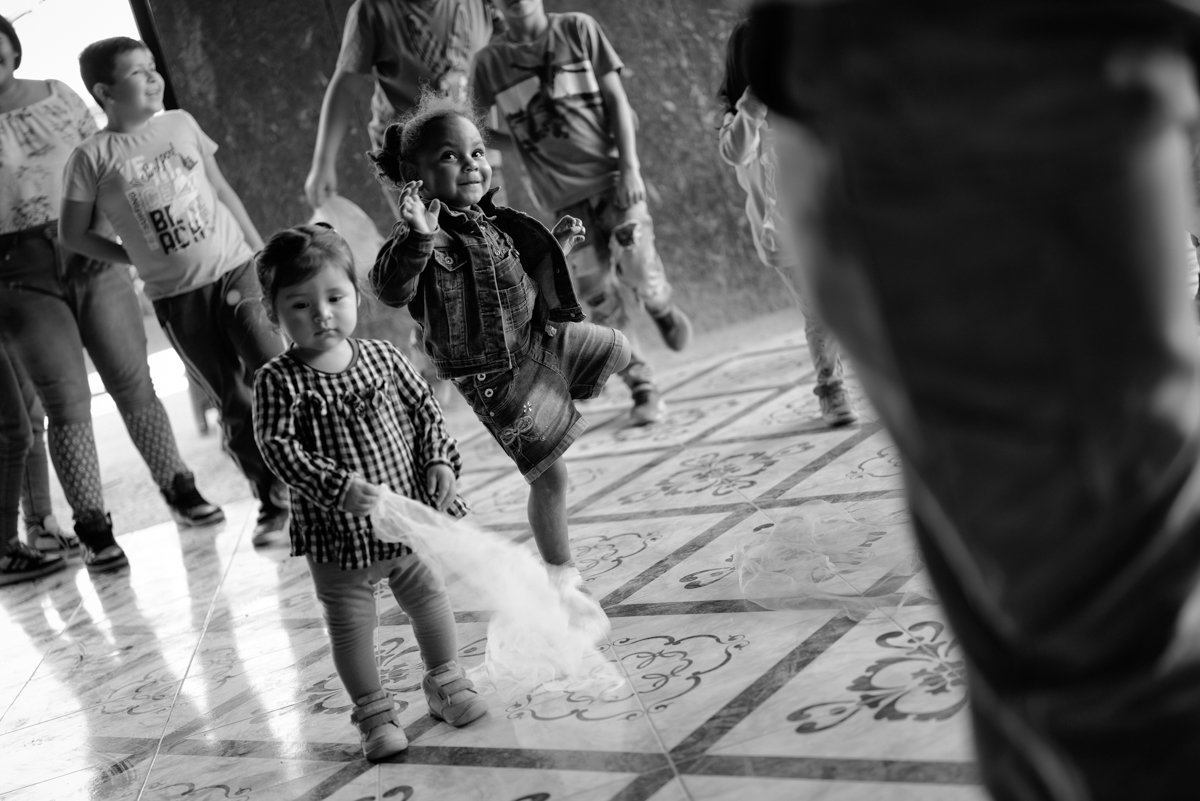
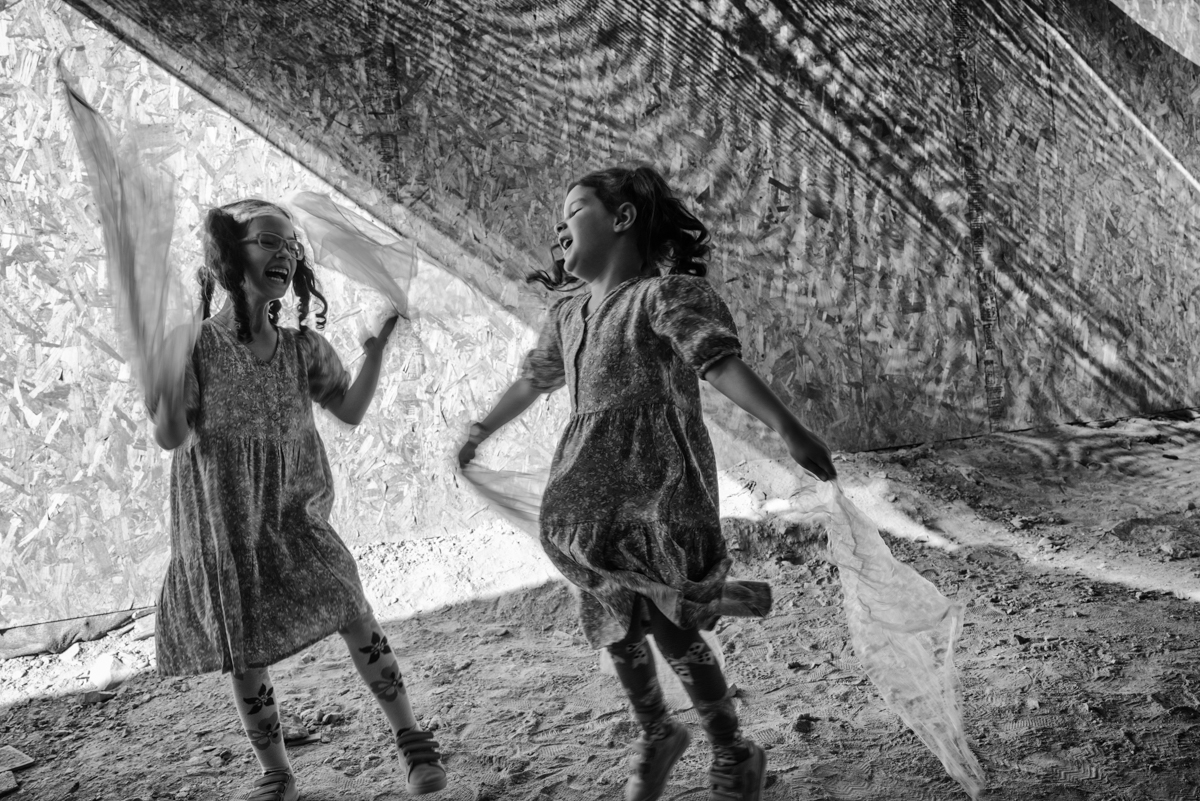
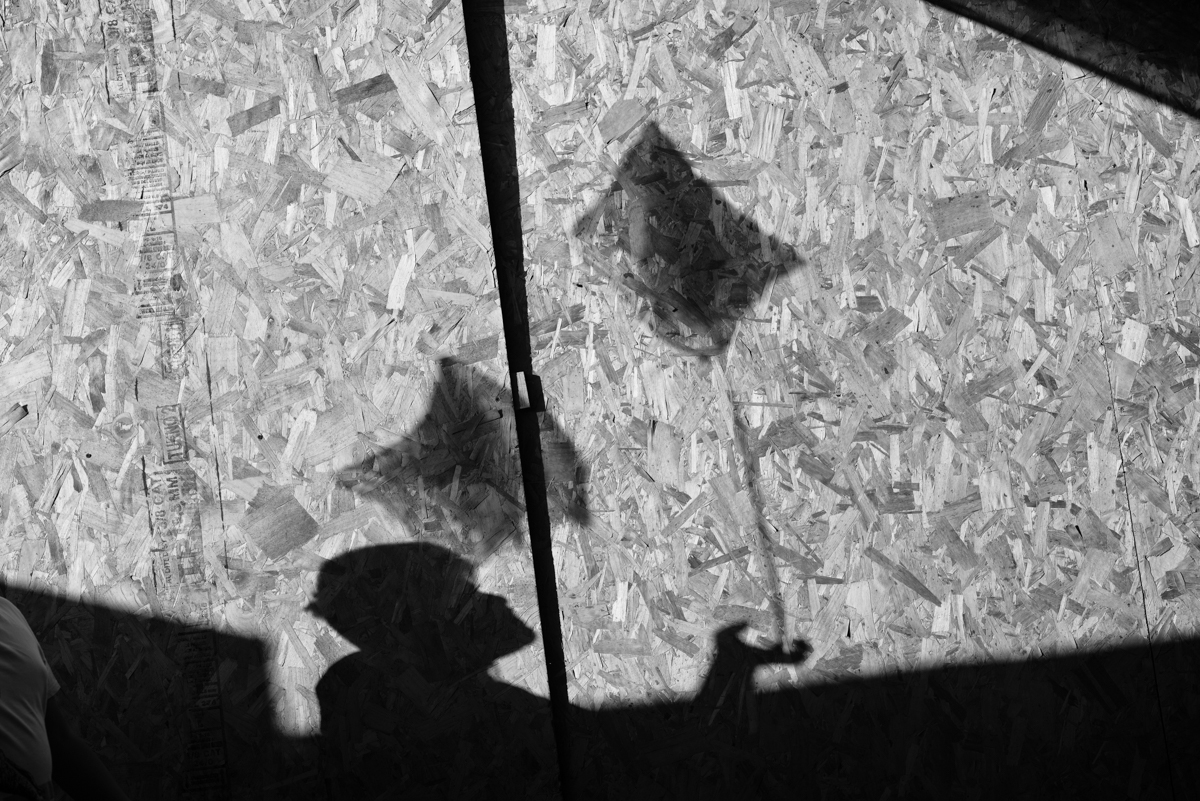
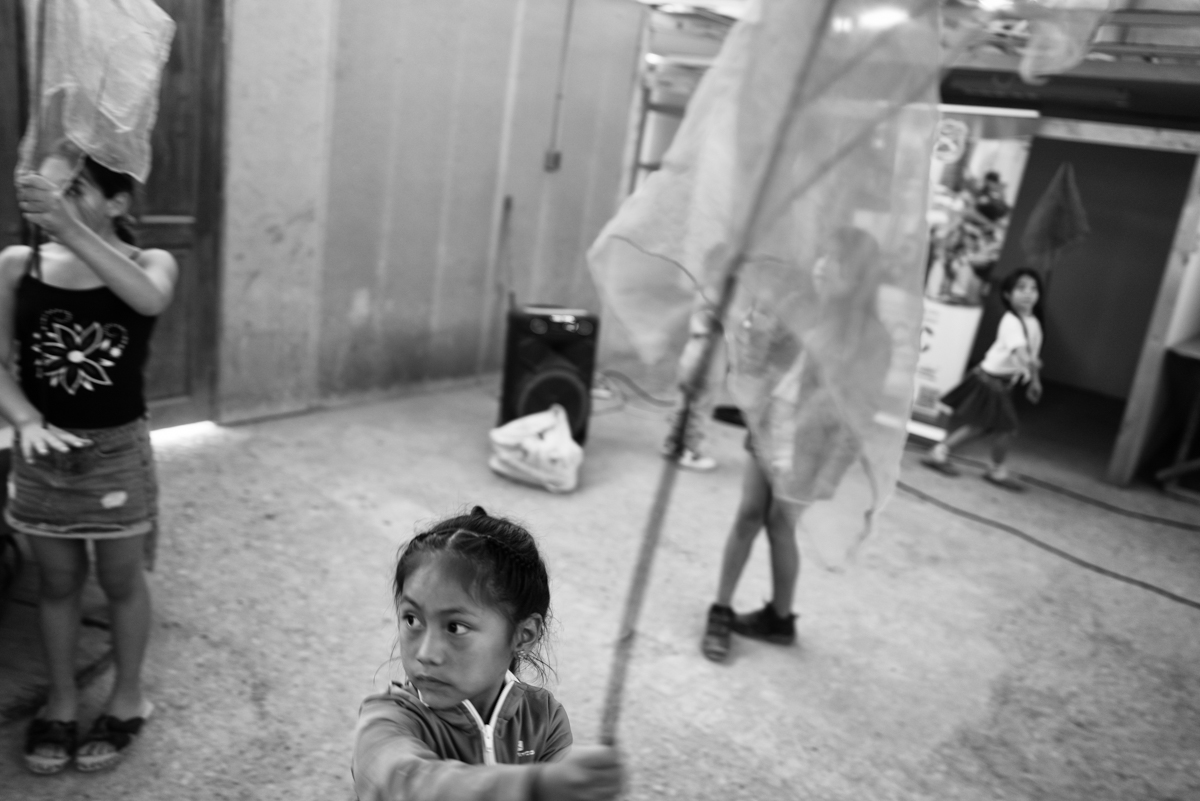
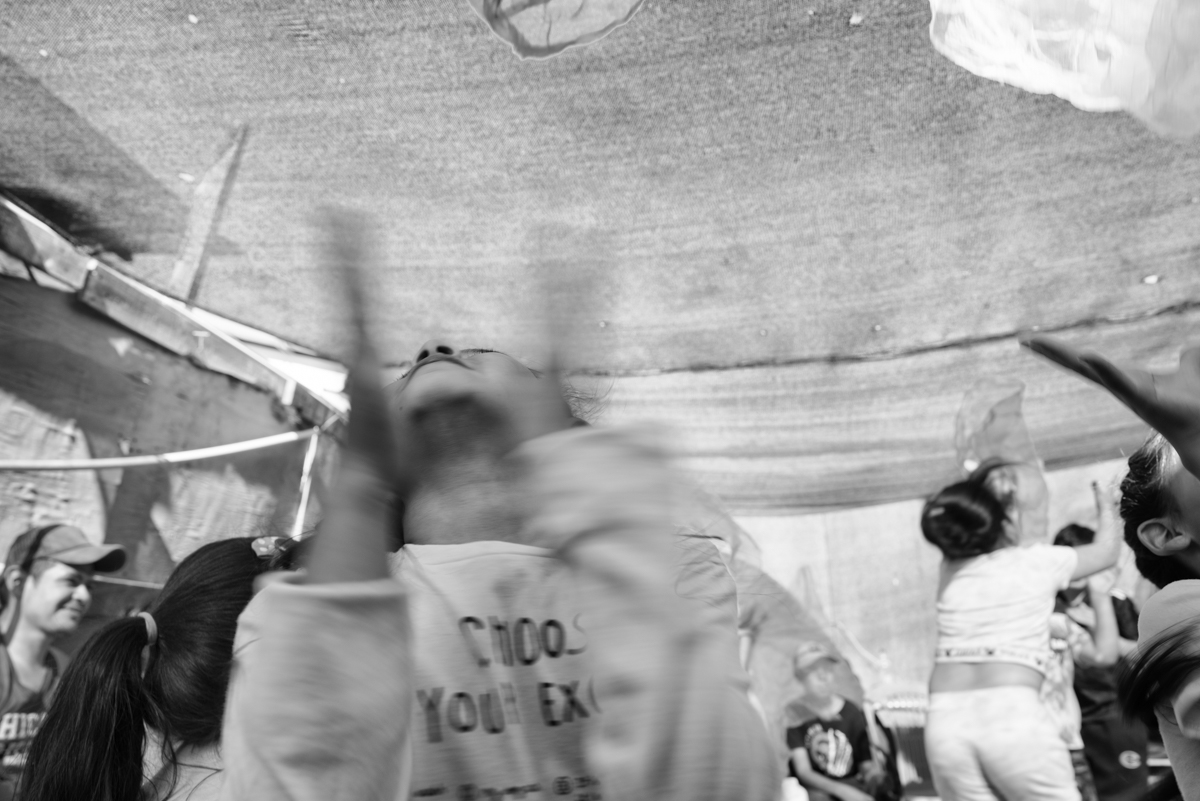
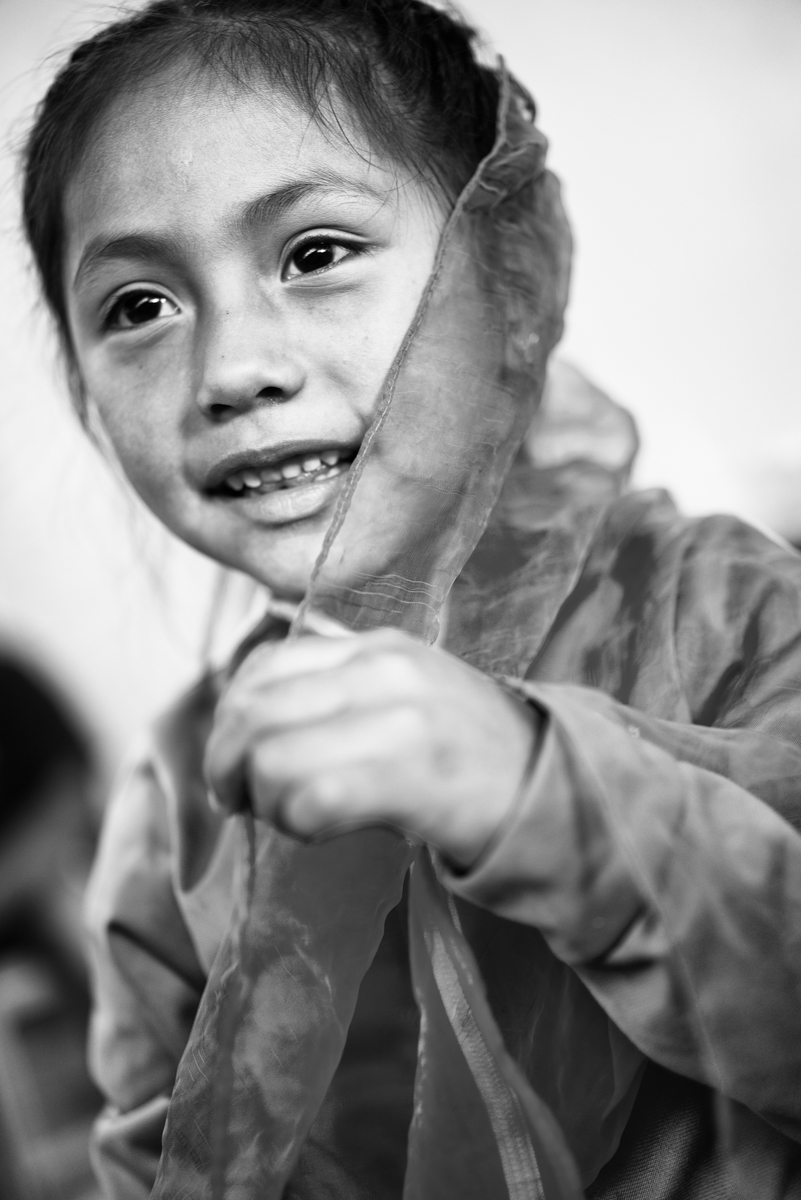
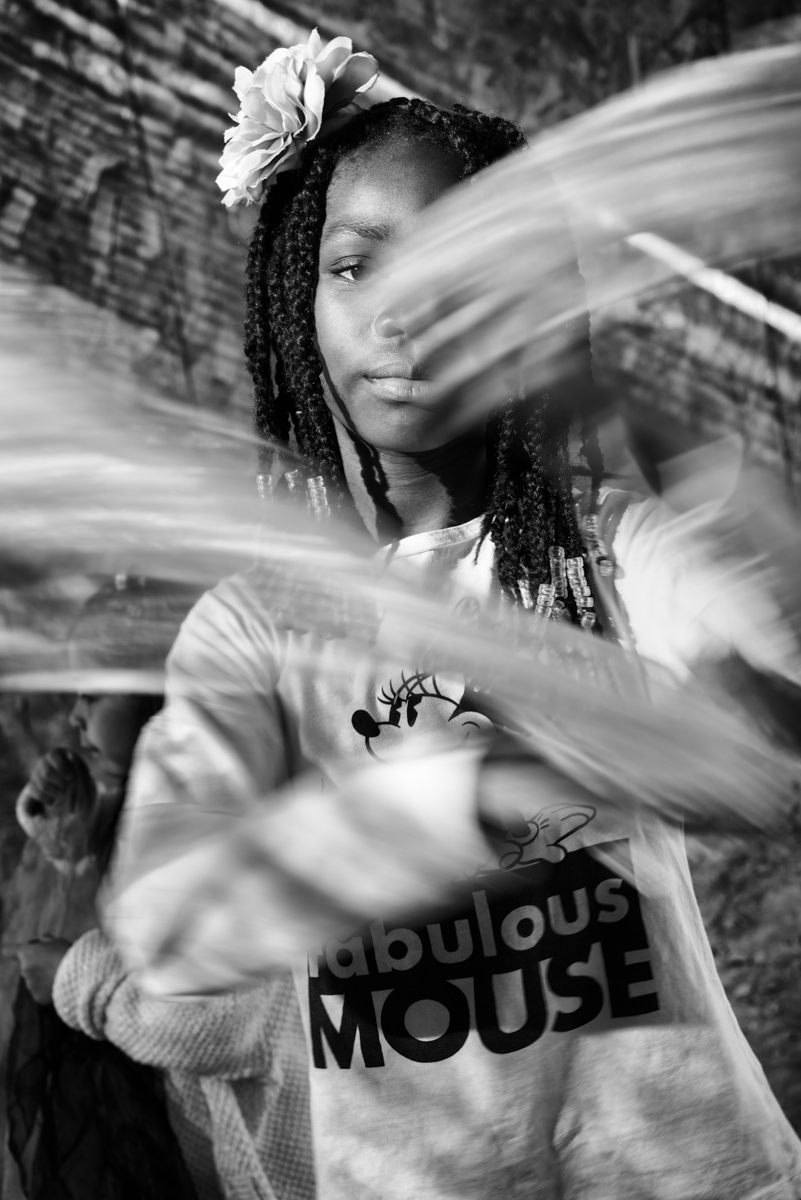
While music is playing, Carlo, acting as a juggler, uses colourful handkerchieves making them fly and wave in the air. He is immediately followed and imitated by the children. Then he adds long plastic straws that are used in combination with the handkerchieves. The handkerchief is laid on the top of the straw, the bottom of the straw is supported by the tip of one finger; the goal is to keep the straw vertical as long as possible. Eventually the show becomes a random union of joyful dancers and flying handkerchieves.
Music, colours, movement and laughters blend in a magic and unique experience for the kids and the adults attending the show.